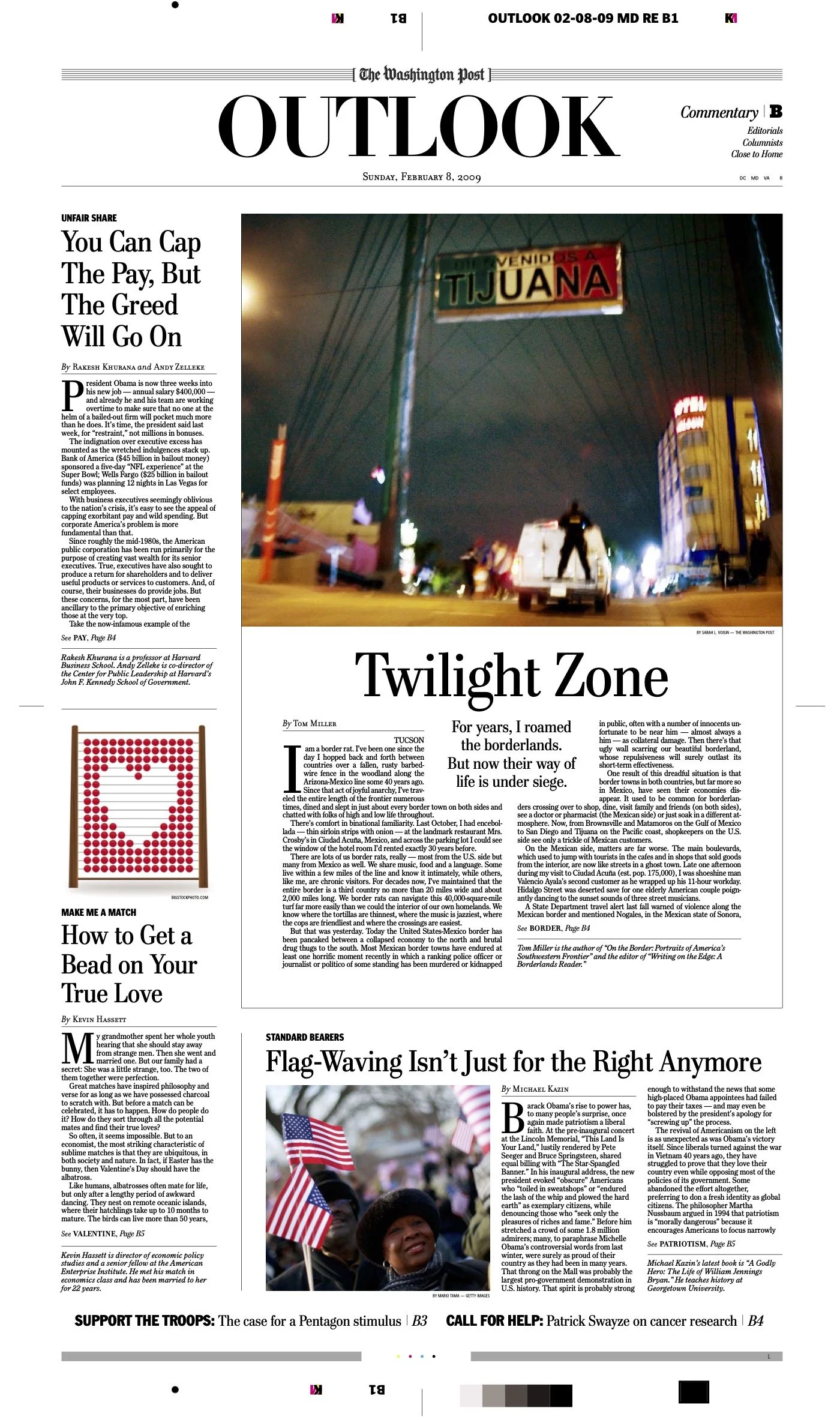
Visual Editing Example One, for University of Missouri.
In Mexico’s War on Drugs, Battle Lines are Drawn in Chalk
Since Mexico launched its war on drug cartels in late 2006, the human toll has been immense. Between 2007 and 2010, an estimated 29,000–35,000 people were killed in cartel and organized crime related violence, including civilians, journalists, police, and soldiers. Executions, disappearances, and public displays of brutality became routine, particularly along the U.S.–Mexico border, where cartels fought for control of trafficking routes supplying U.S. drug demand. More than a decade later, the violence has not ended—it has evolved. Cartels now profit from human trafficking, extortion, and territorial control, while mass graves, disappearances, and violent attacks continue, underscoring that the drug war is not a closed chapter but an ongoing crisis demanding sustained accountability reporting.
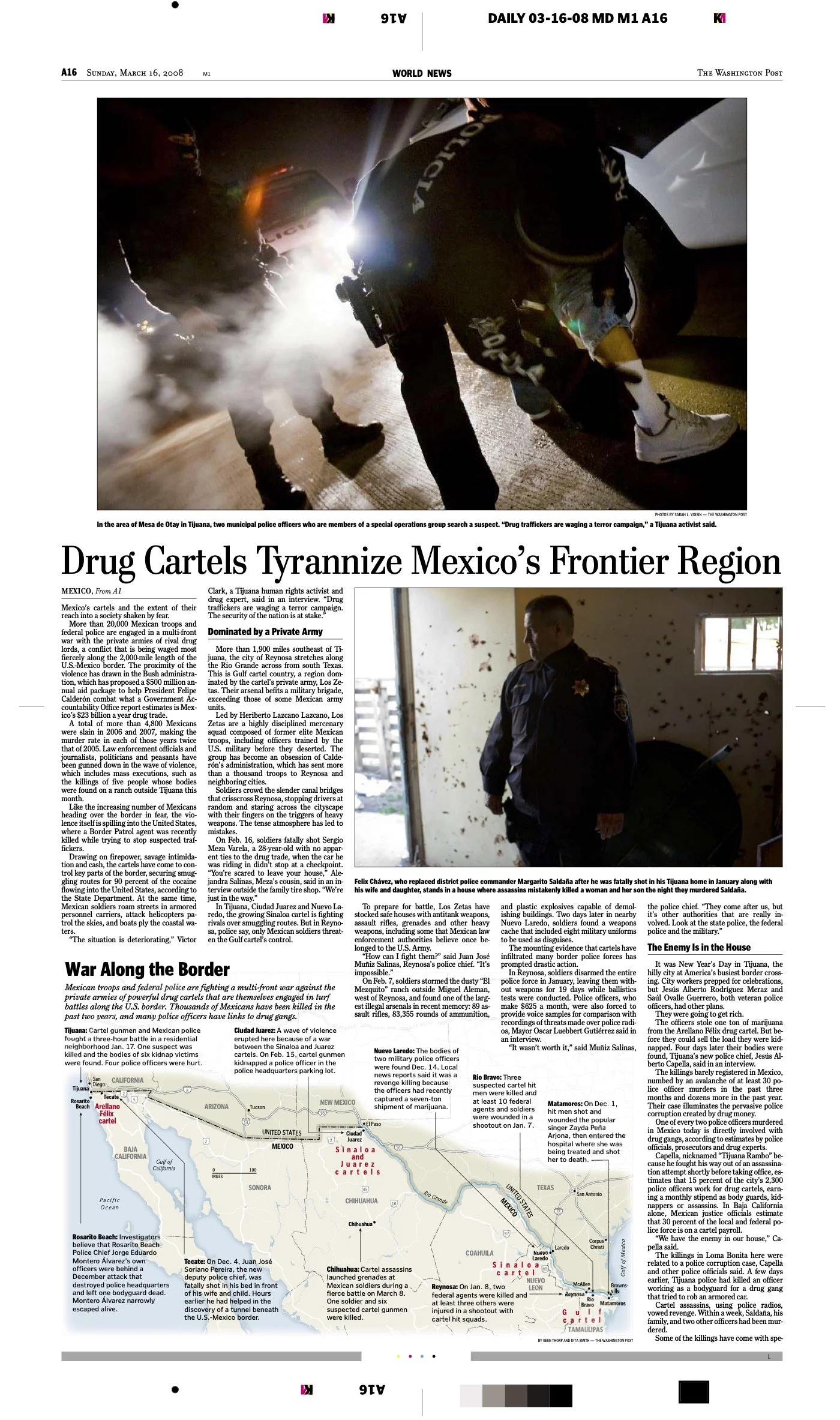
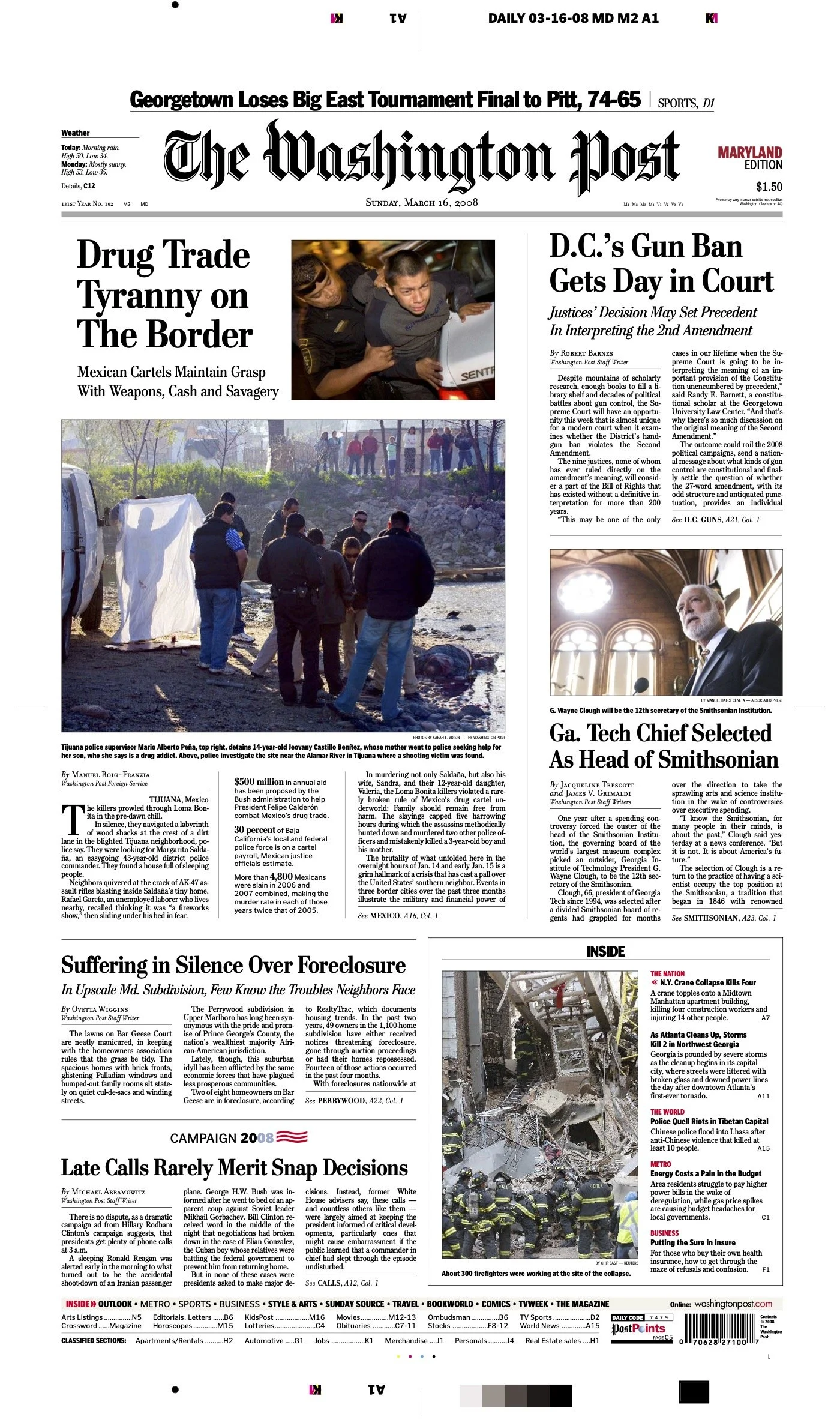
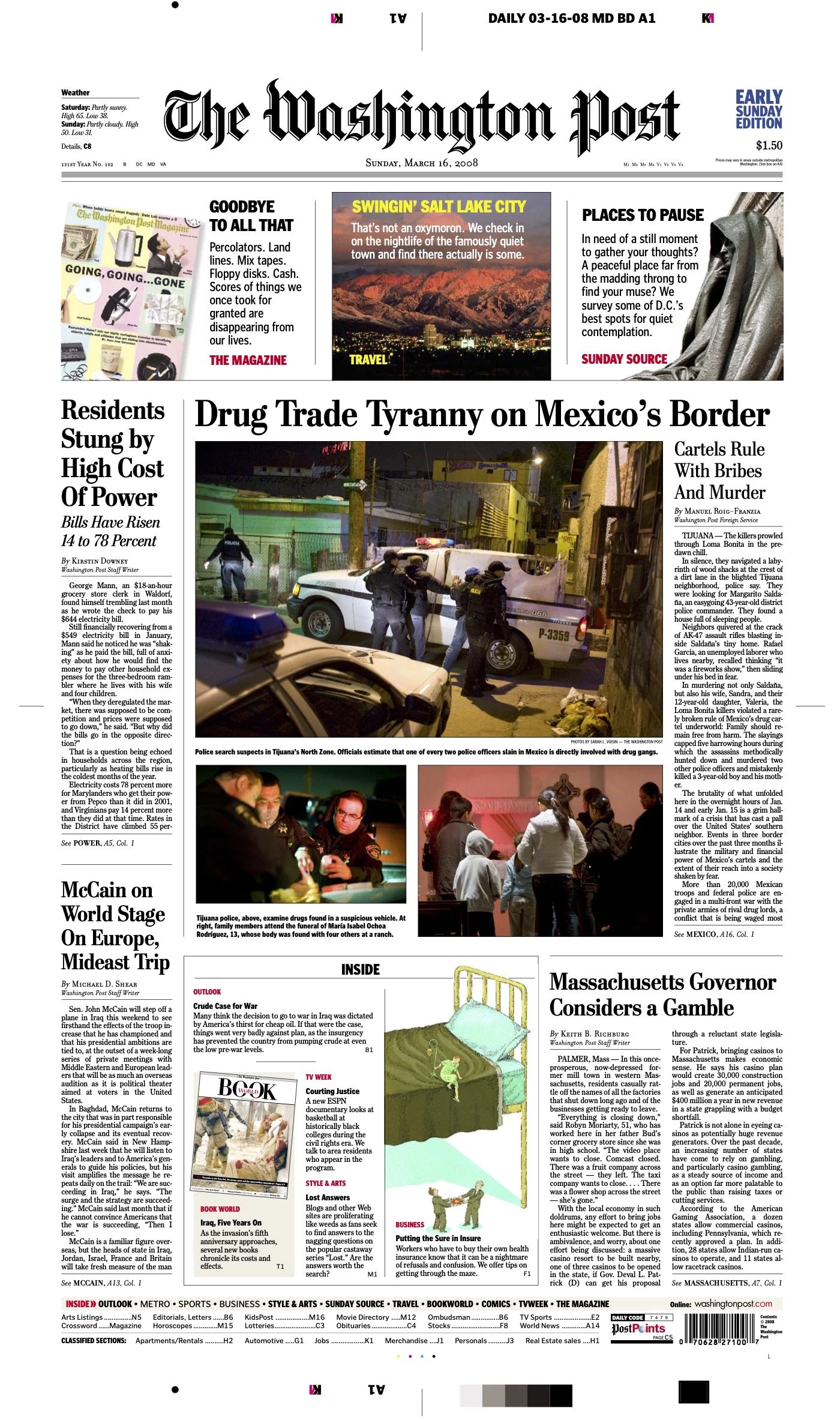
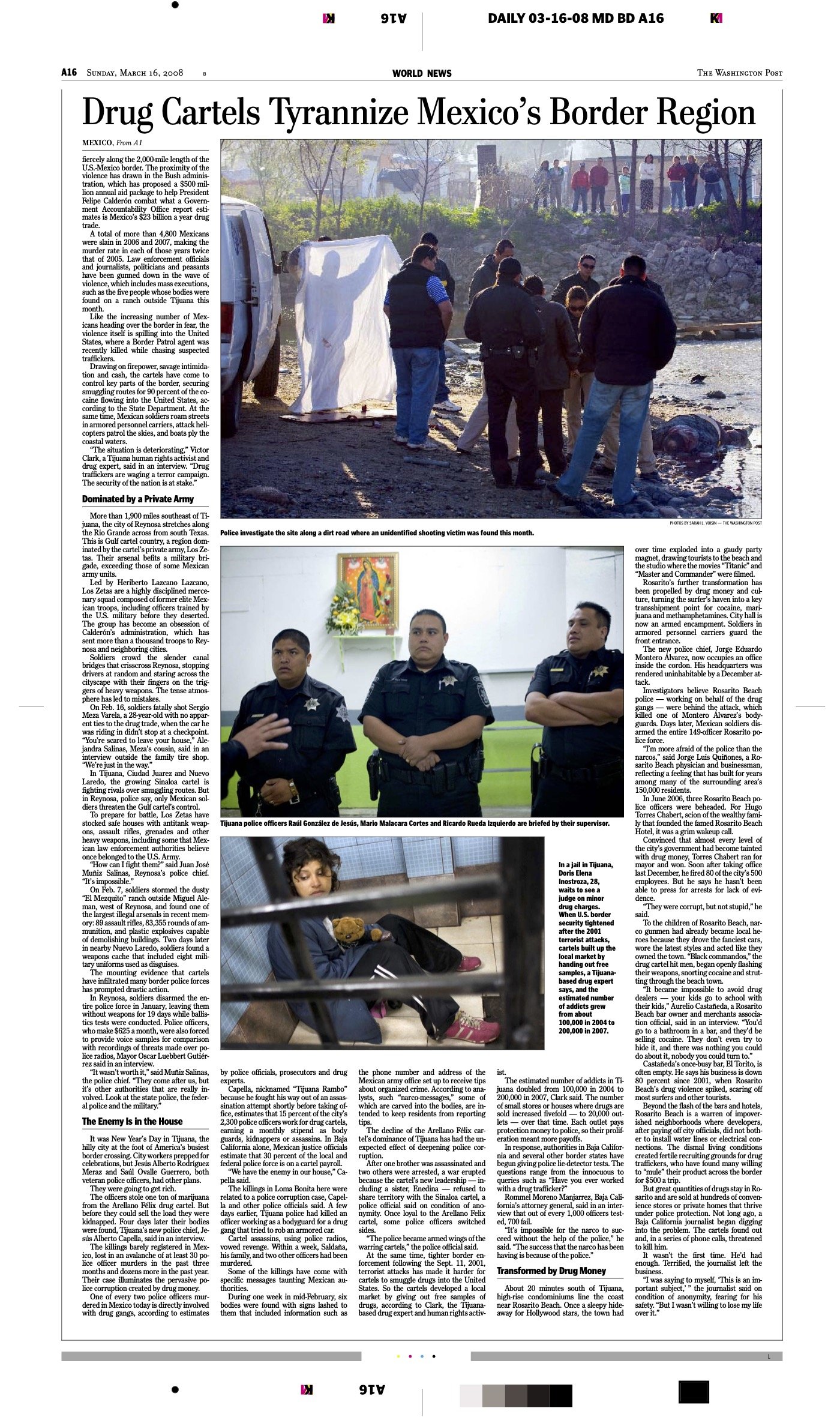
Visual Editing and Long-Form Photojournalism | The Washington Post | 2007–2010
While working as a staff photojournalist at The Washington Post, I initiated and developed a multiyear project documenting the escalation of cartel violence in Mexico. I pitched, photographed, and independently edited the work as the conflict unfolded.
One of the greatest challenges in editing a long-term project is distilling years of reporting and thousands of photographs into a tightly focused visual narrative. When you're reducing that amount of work to a 12-picture story, every image needs to contribute something new. That requires stepping back and evaluating the photographs collectively rather than individually. You may have several exceptional images that communicate essentially the same information, but including all of them doesn't necessarily strengthen the story. The challenge is to select the strongest photograph, eliminate redundancy, and make sure each remaining image advances the reader's understanding.
Just as important is recognizing what's missing.
As I reviewed my work from Mexico, I realized I had documented many dimensions of the conflict—crime scenes, policing, military operations, immigration, poverty, religion, and drug addiction—but the emotional center of the story was missing.
I wanted to show the human toll of the drug war.
That realization changed both my reporting and my editing. I began concentrating more deliberately on grief, loss, and the families and communities living with the consequences of the violence.
As the project evolved, I continually reassessed the work, looking for gaps in the narrative, selecting photographs that added new information, and eliminating images that repeated what was already being communicated. The goal was to build a visually compelling, cohesive story that helped readers understand both the scale of the violence and its devastating human consequences.
The project received several major honors, including the Robert F. Kennedy Award for International Photography and the Overseas Press Club's John Faber Award.
For me, visual editing is about more than selecting exceptional photographs. It's about understanding what each image contributes to the larger narrative, recognizing what is missing, and creating a sequence in which every photograph moves the story forward.
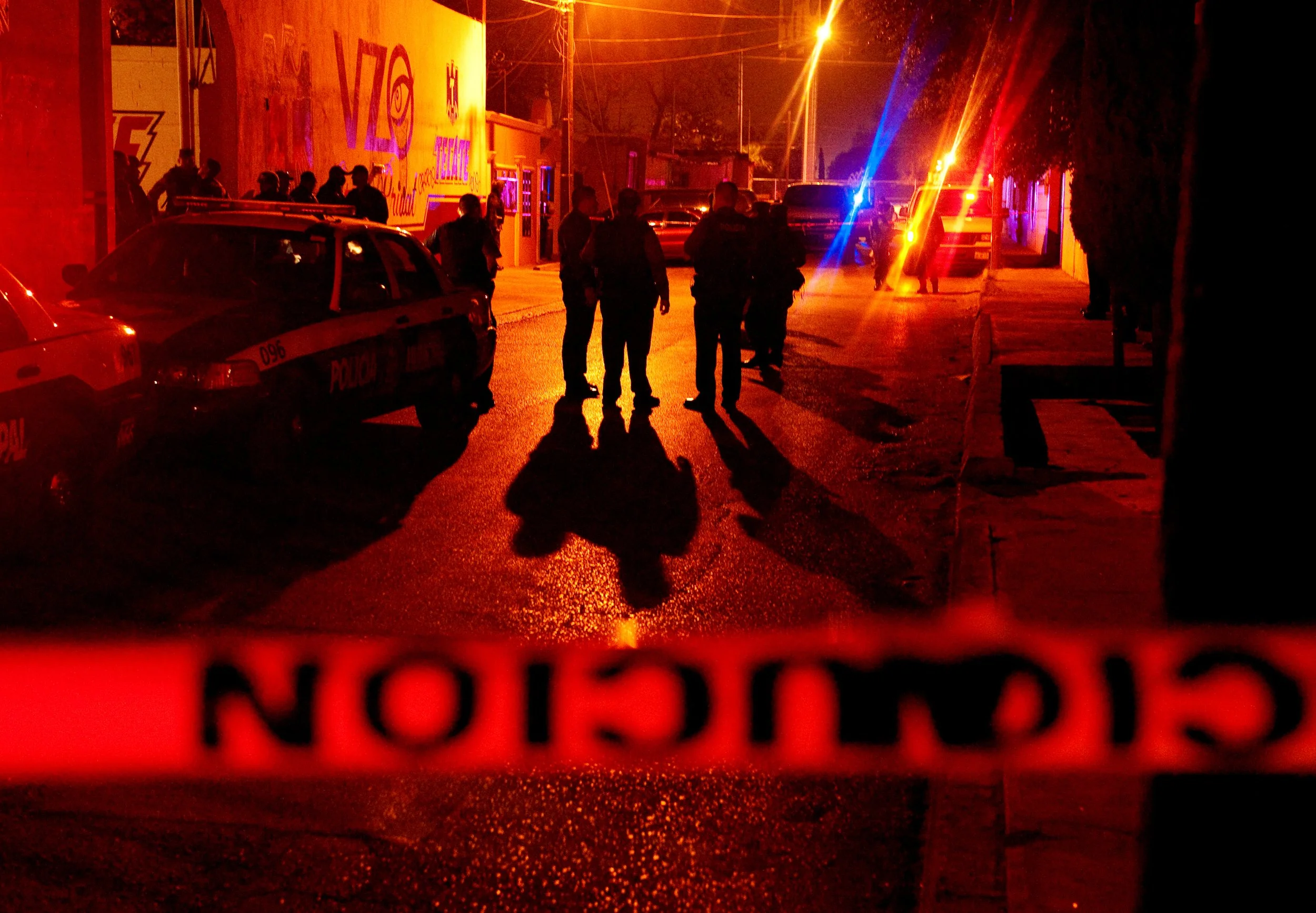
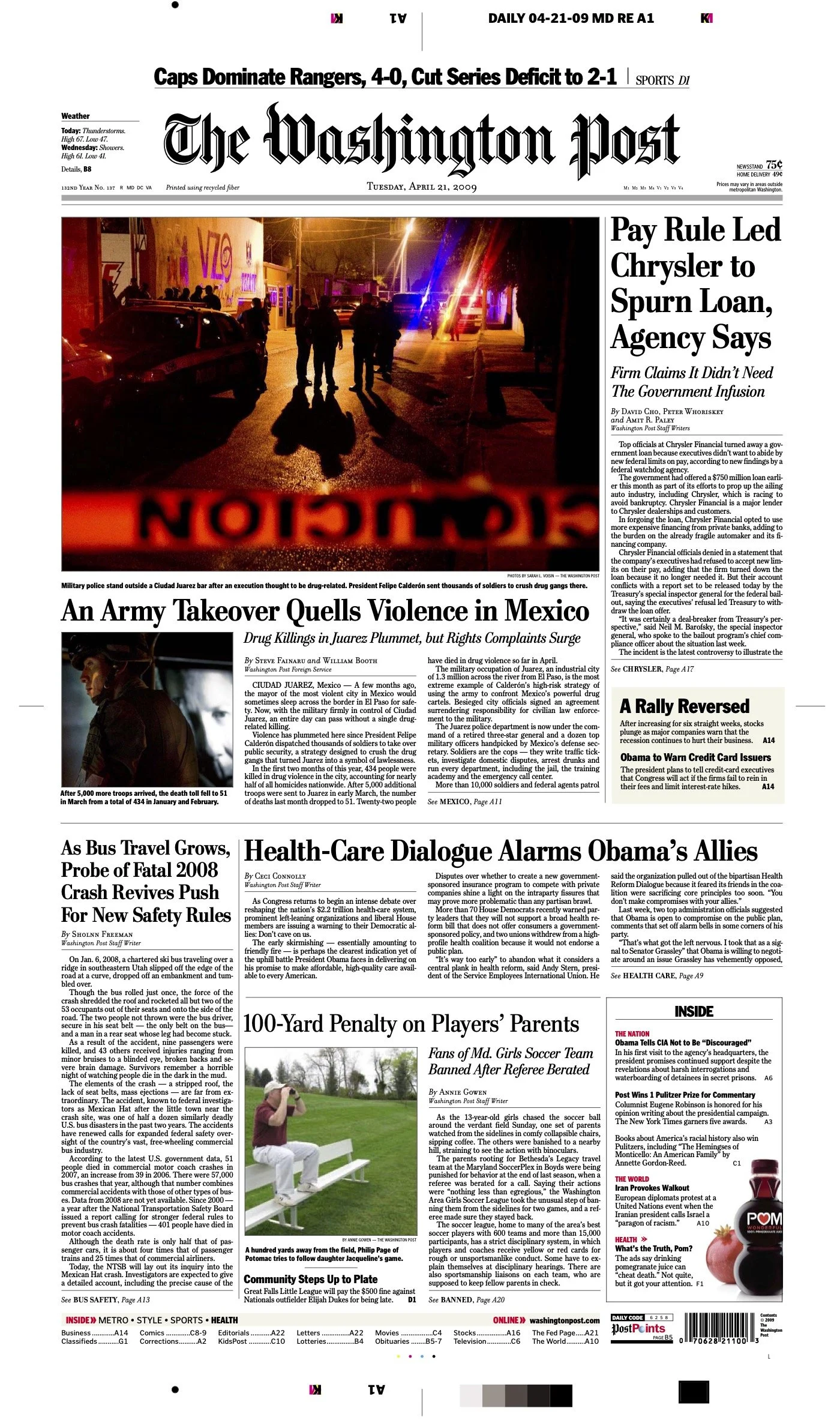
As part of a campaign against drug-related violence, the Mexican military assumed control of Ciudad Juárez in 2009. Army troops and police stand outside a popular bar shortly after the owner was executed.
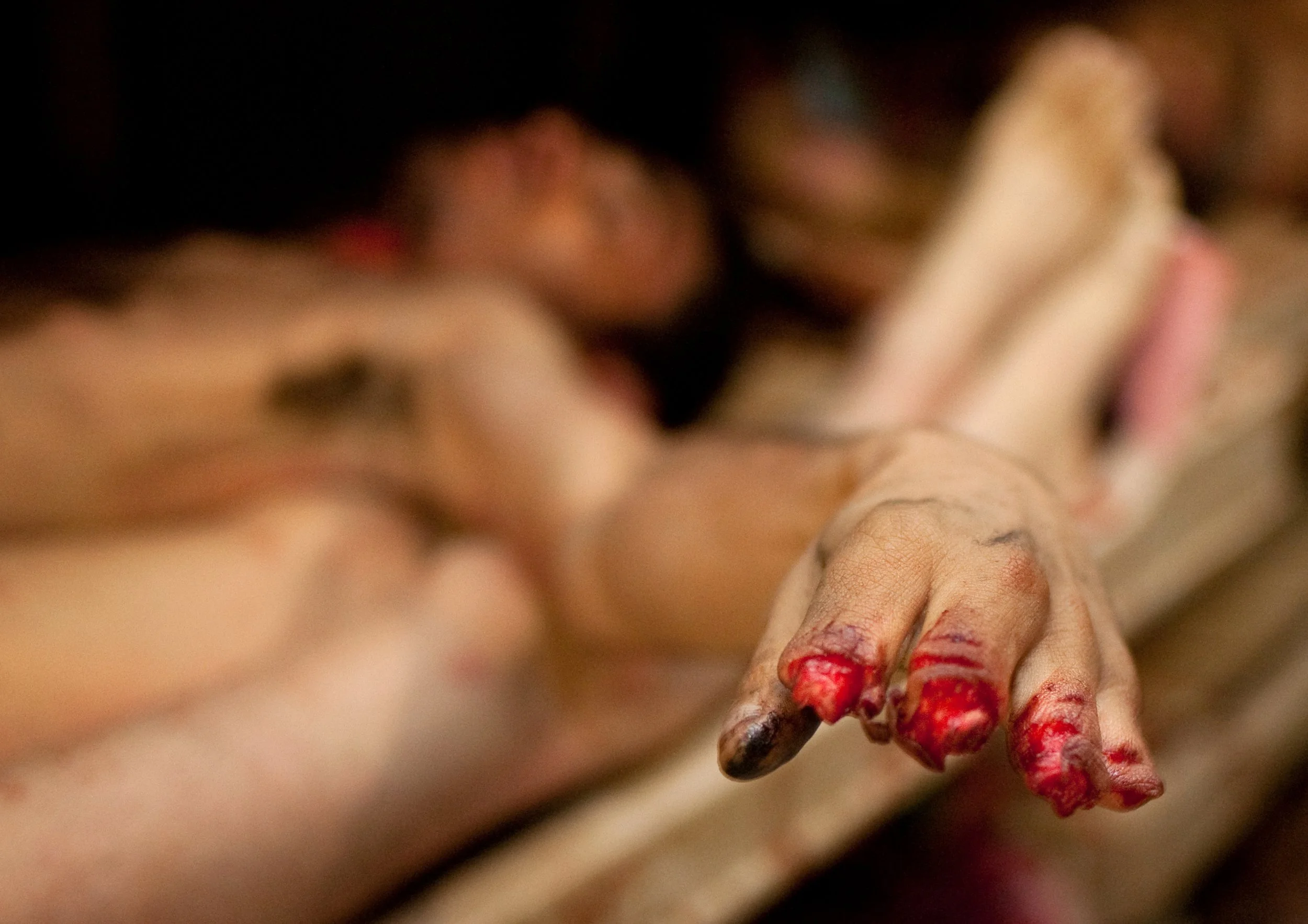
Targeted assassinations, mutilations, and other acts of terror are a daily reality in parts of Mexico. In Tijuana, the body of an executed man was left naked with an intimidation letter attached. Such killings and messages are intended to instill fear in rivals, authorities, and the public.
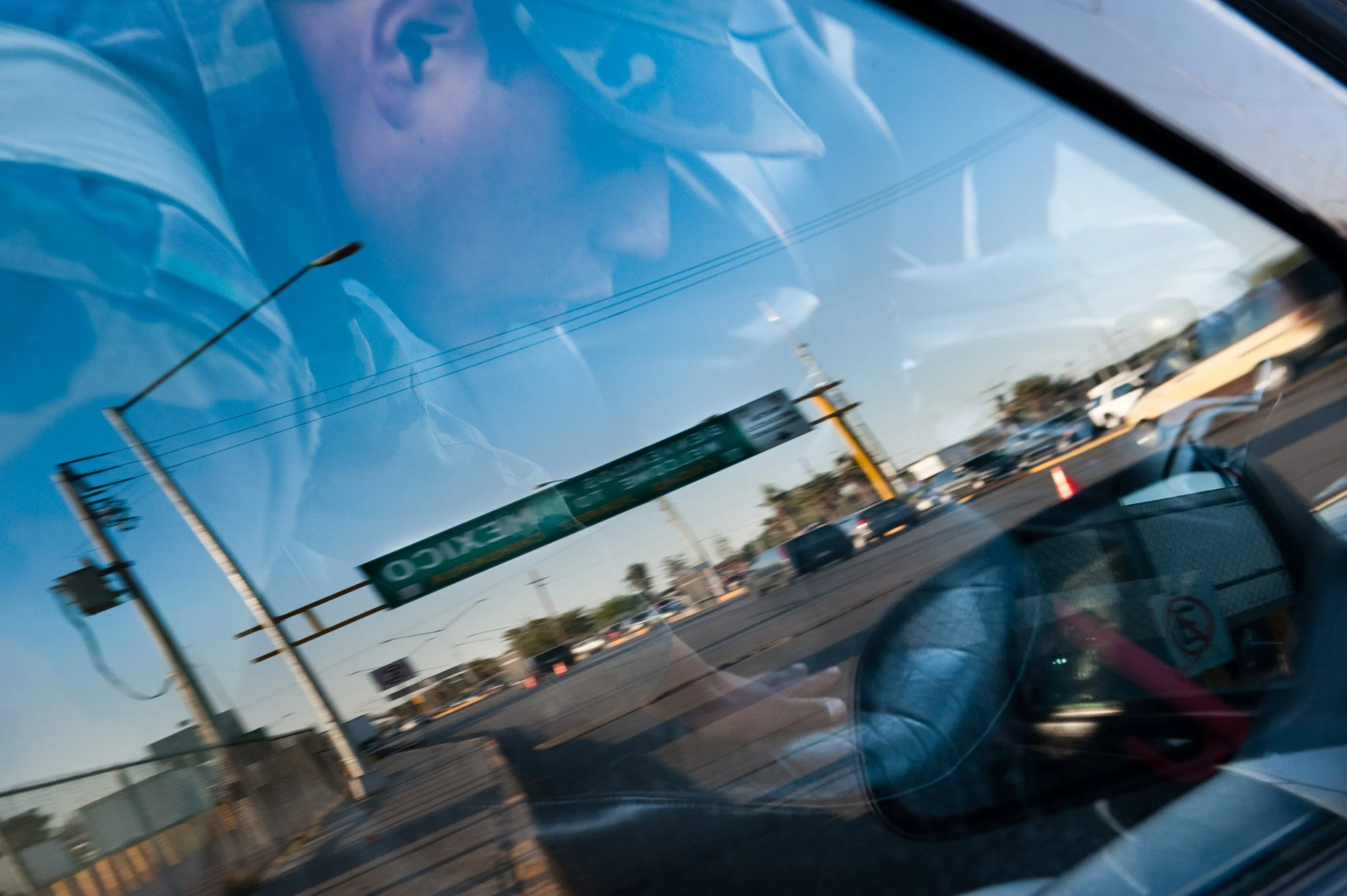
At the Córdova Bridge, Mexican military personnel inspect cars crossing from the United States, searching for illegal weapons and drugs. U.S. firearms have fueled much of the violence that has killed tens of thousands in Mexico since 2007. The militarization of Ciudad Juárez was part of a broader strategy to confront cartel power amid escalating bloodshed.
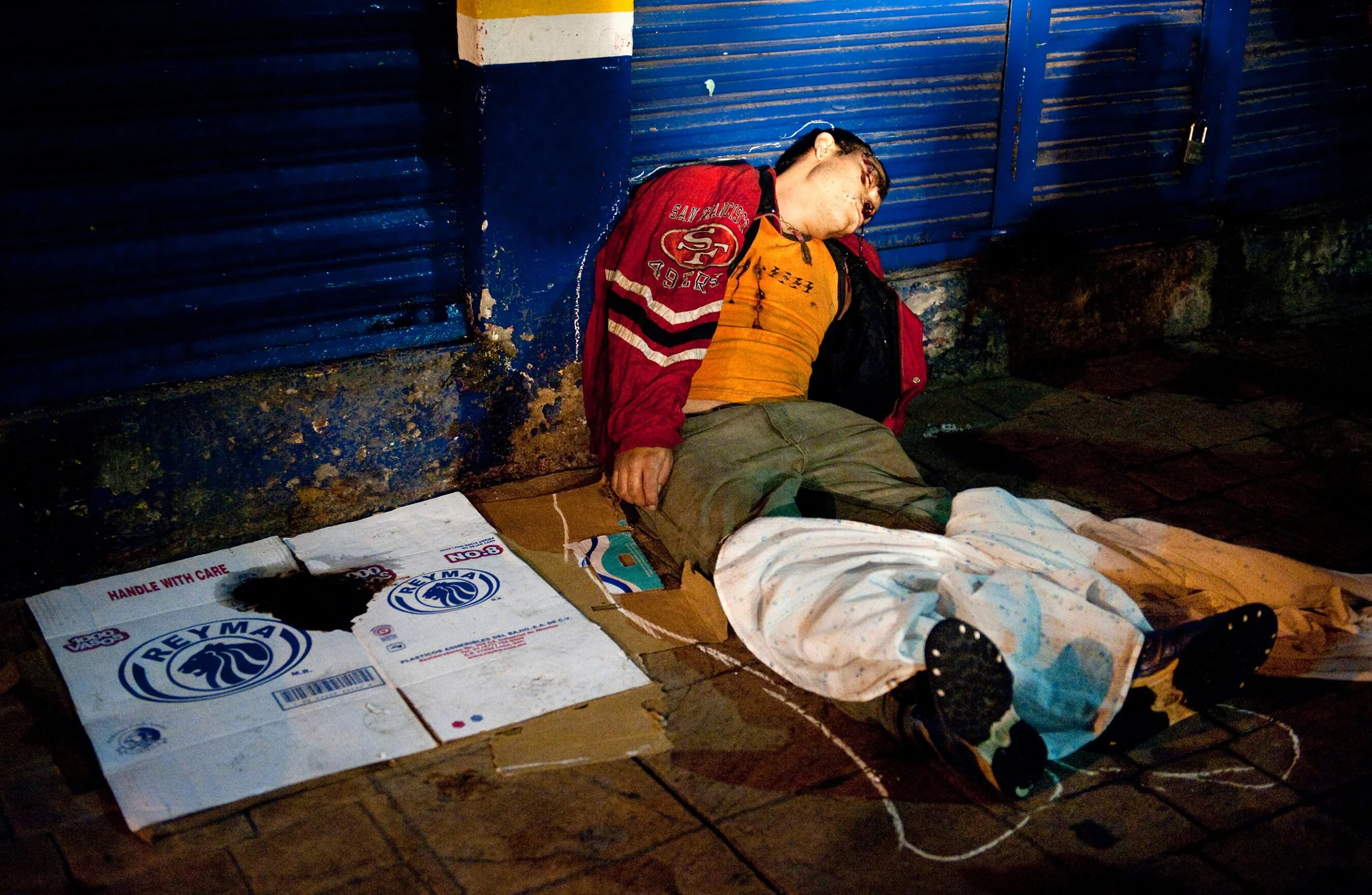
In Mexico City, night brings another body, another chalk line—evidence of a war on drugs that grinds on.
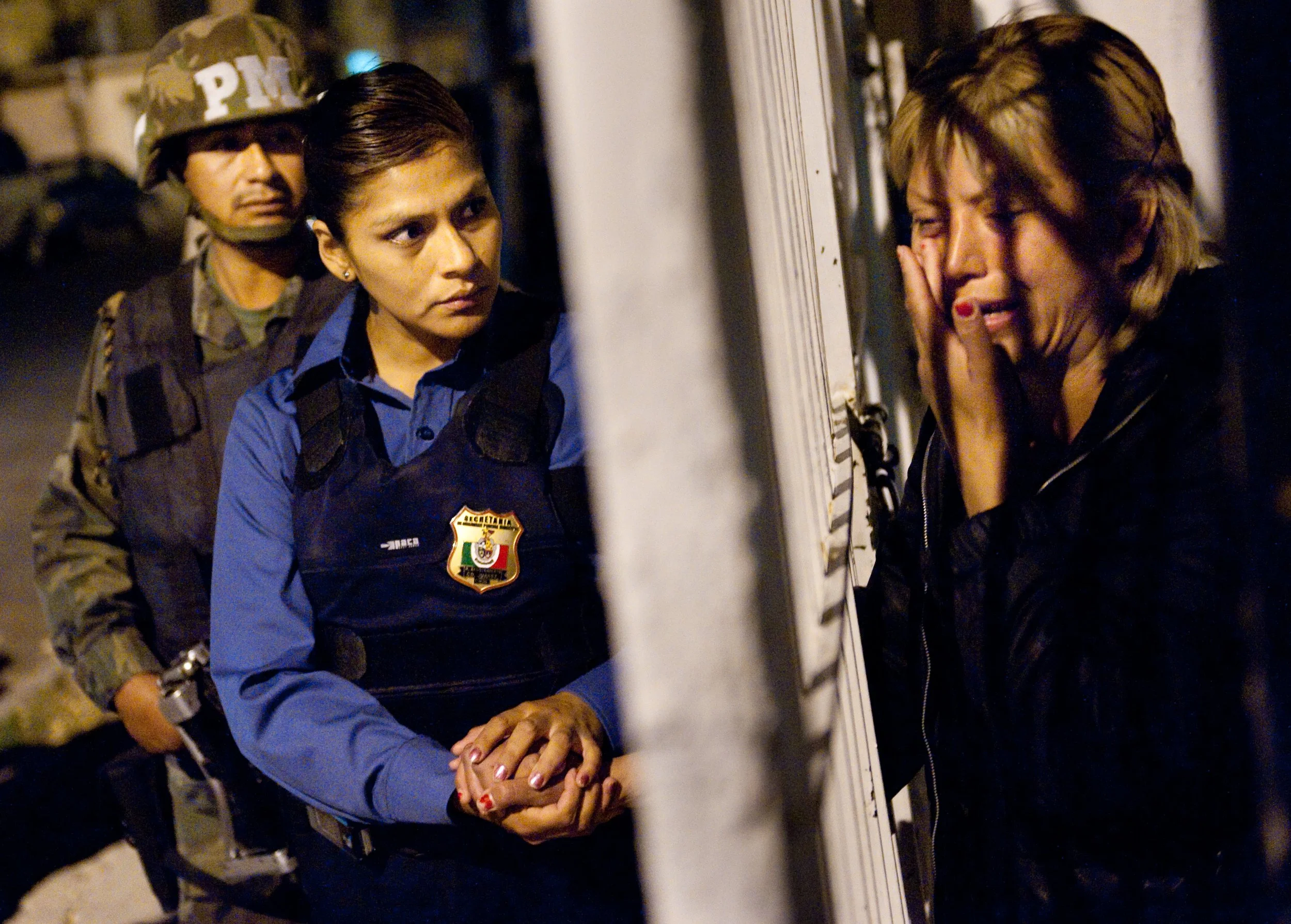
Municipal police officer Noeme Martinez, center, comforts Maria Campos outside her home. Campos had flagged down officers during their patrol to report her husband missing; they showed her a newspaper photo of an execution that matched his description.
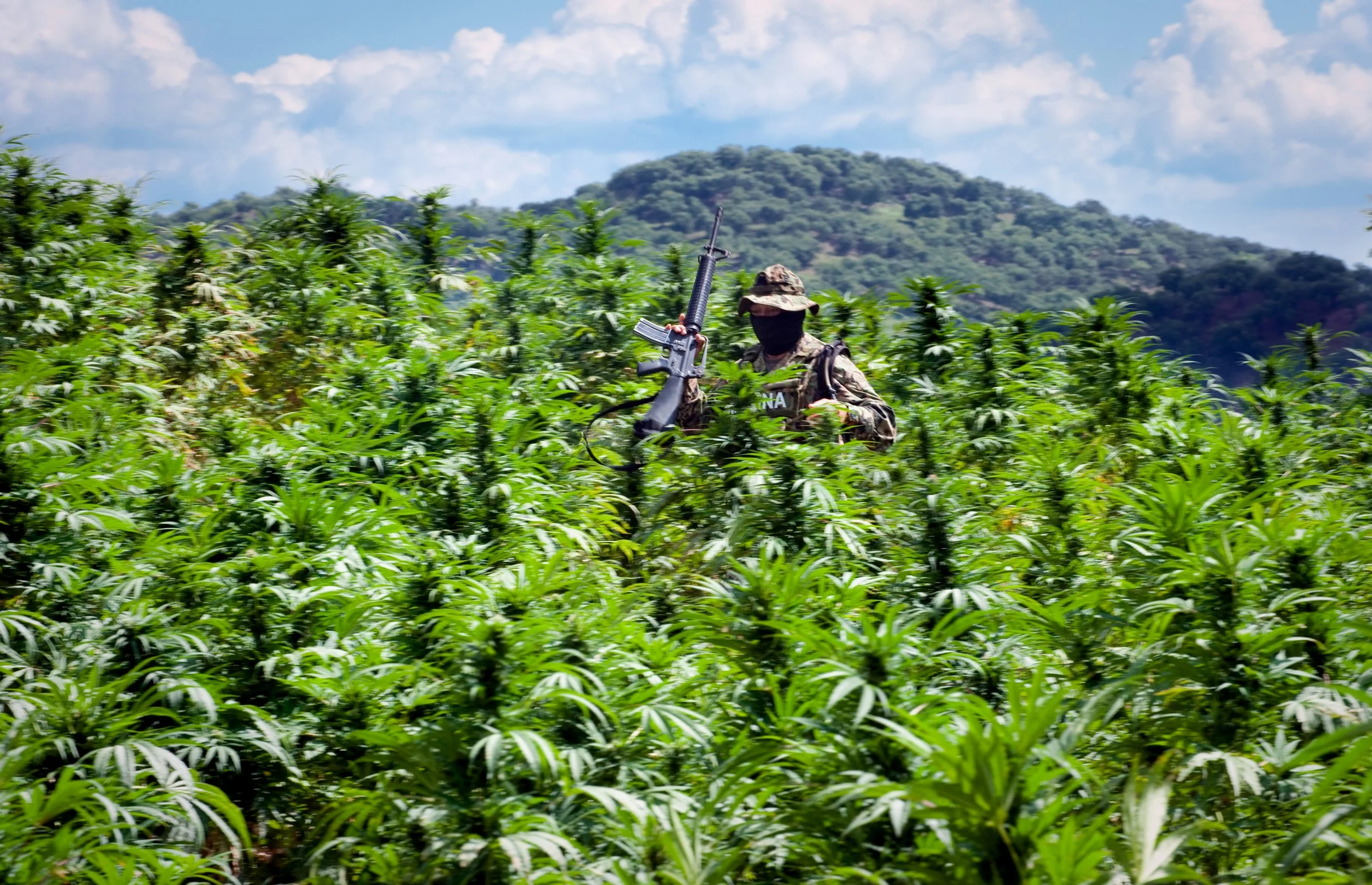
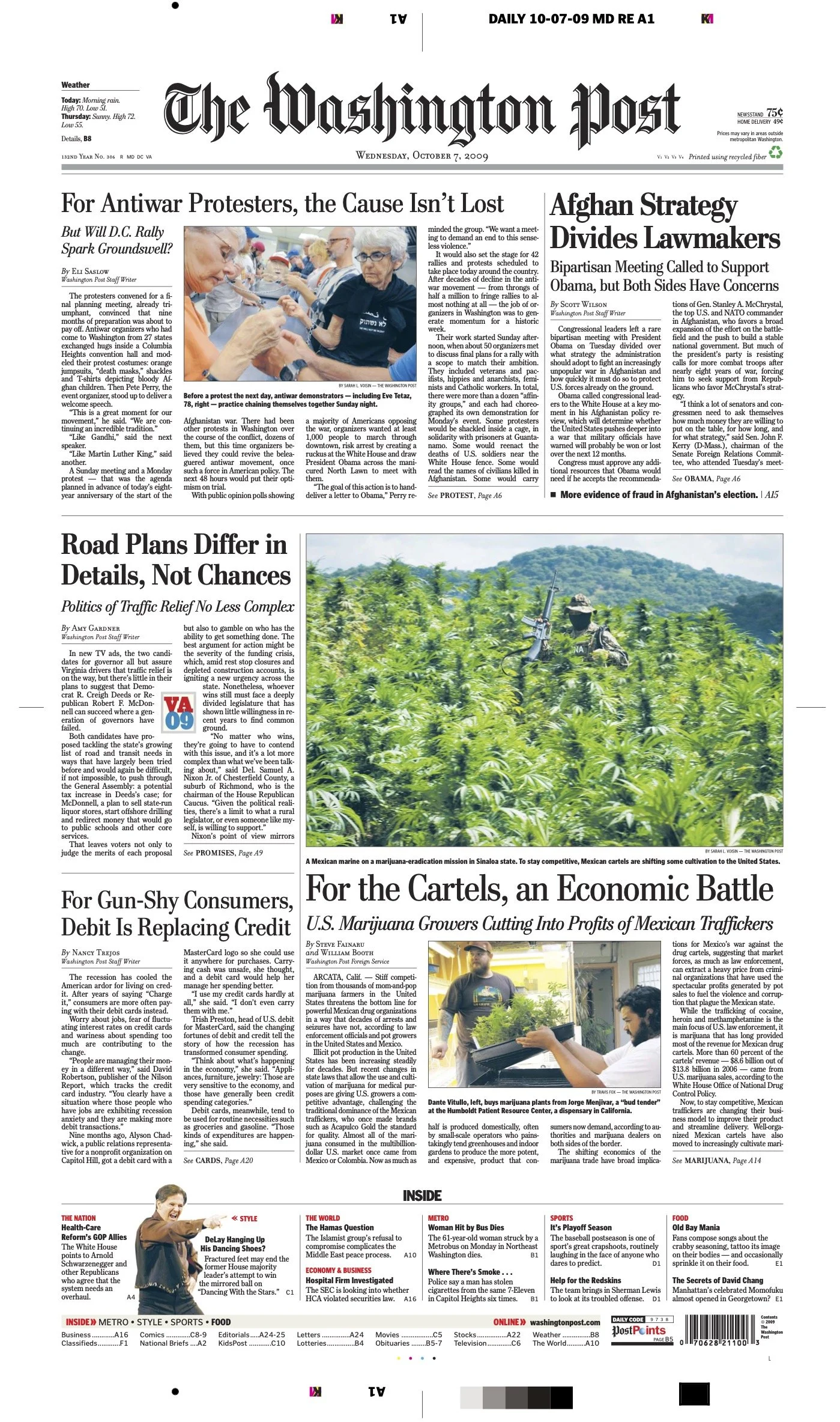
A Mexican marine moves through a marijuana field in the mountains of Sinaloa, where marijuana cultivation has long been a major source of cartel revenue.
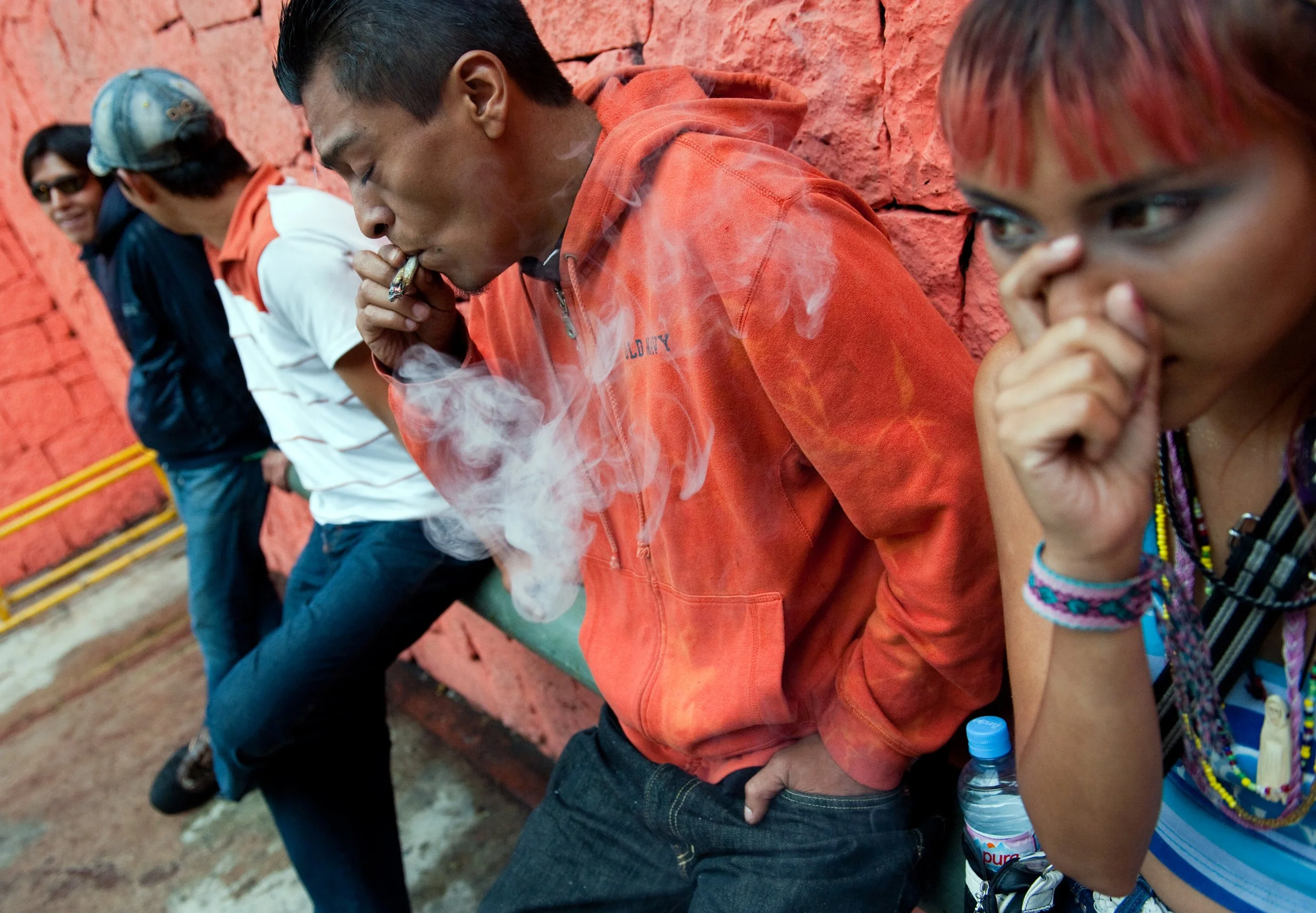
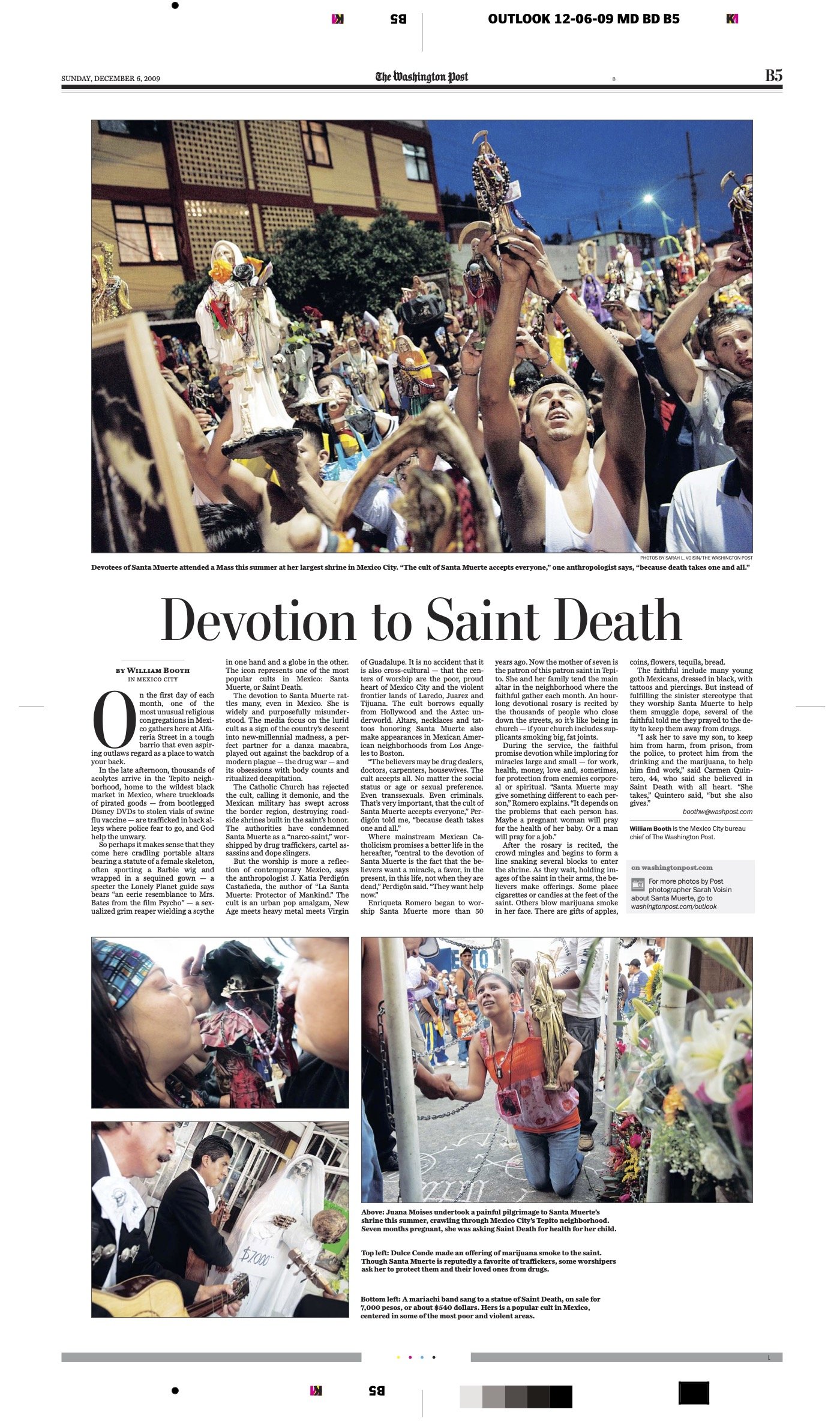
After Mexico decriminalized possession of small amounts of drugs in 2009, drug use remains visible in Tepito, a neighborhood in Mexico City long linked to the drug trade.
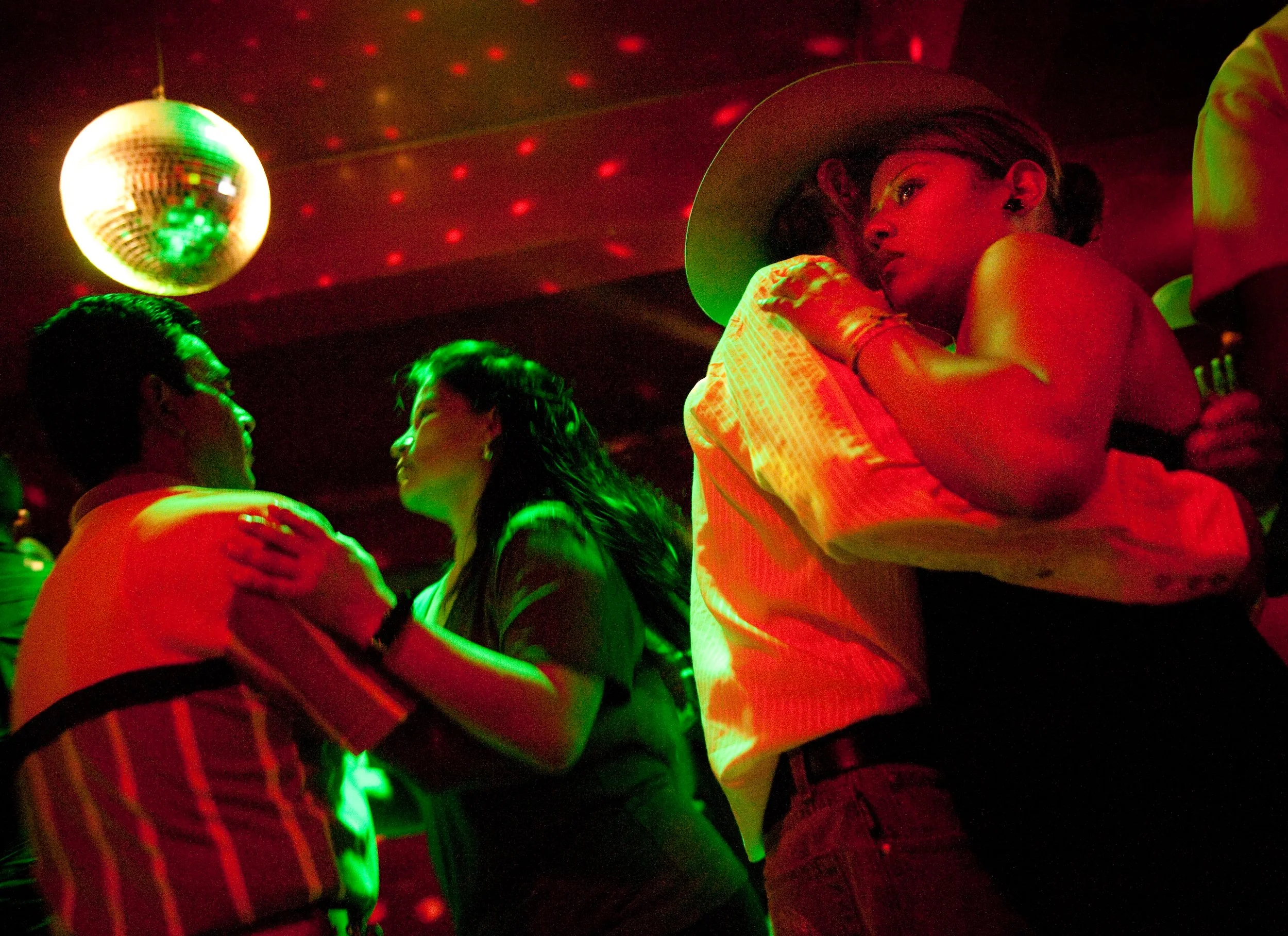
In downtown Ciudad Juárez, off-duty federal police officers and other patrons pay to dance with women at Vaquero, a bar whose name translates to “cowboy.” A dance costs 10 pesos—less than a dollar—and, for more, patrons can go to a nearby hotel. Many of the women are economically vulnerable and struggling with drug addiction, conditions that criminal organizations exploit as part of the broader drug economy.
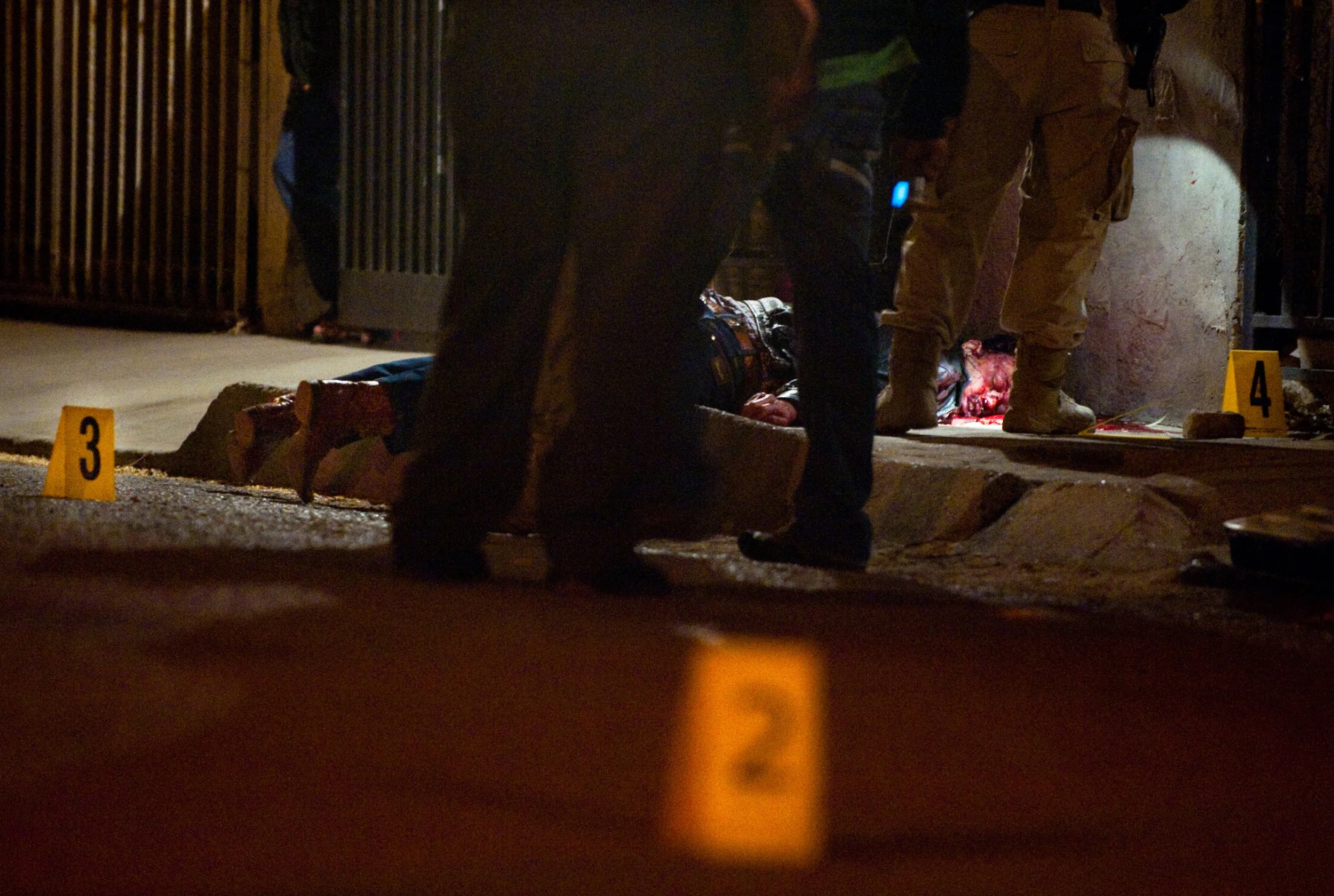
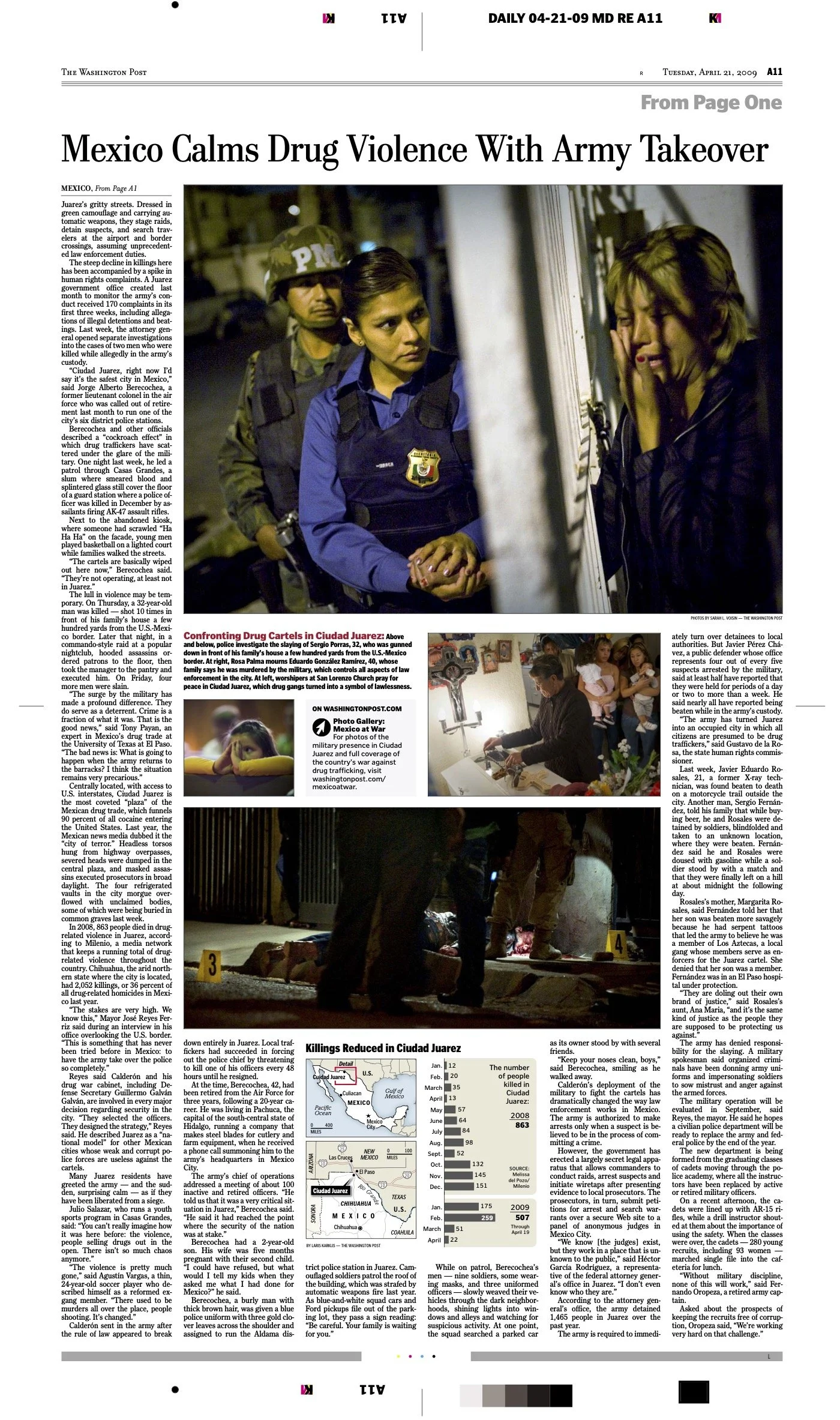
Police investigate another homicide in Ciudad Juárez. Sergio Porras, 32, was shot six times two doors from his home.
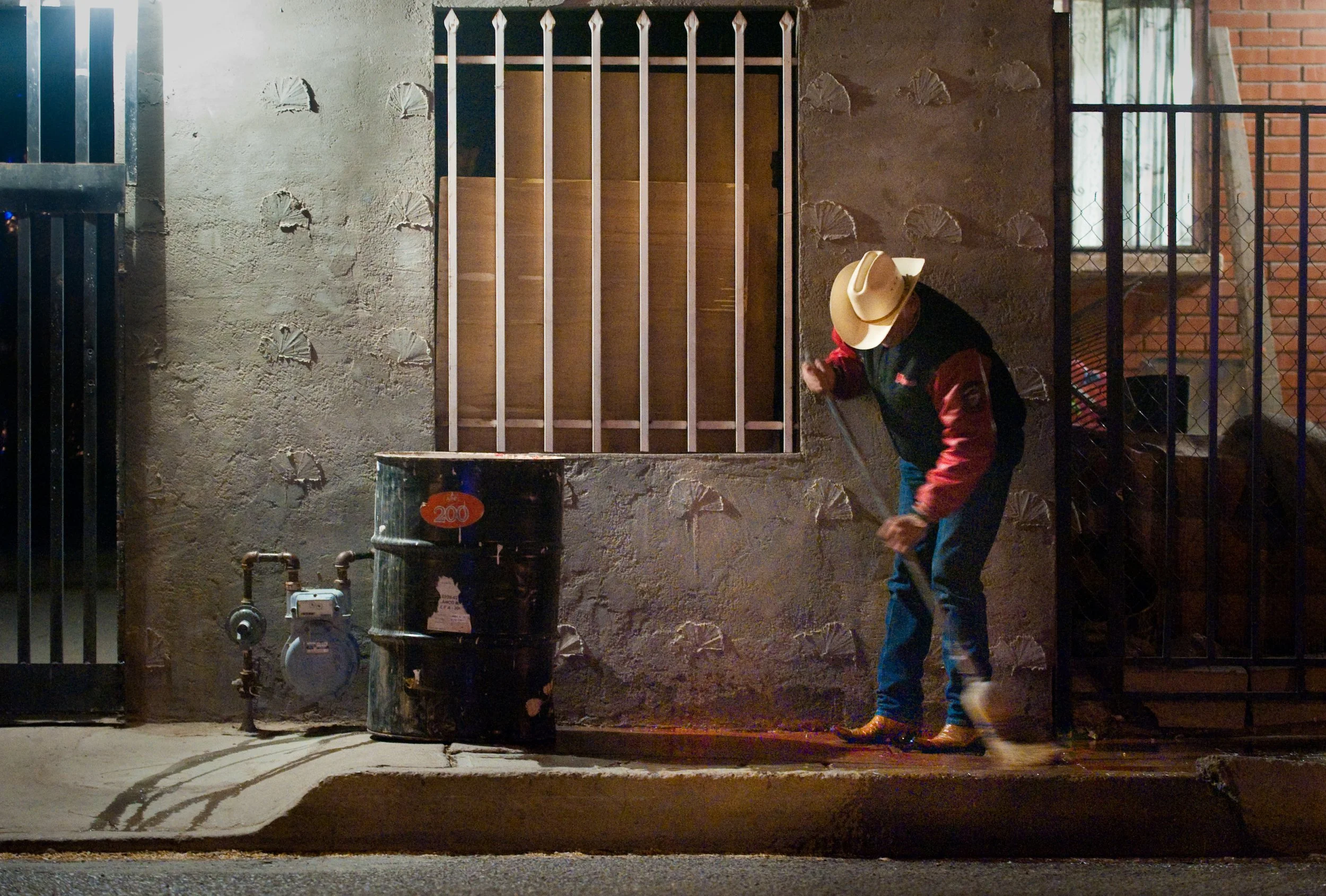
Seconds after morgue workers lifted Porras’s body from the sidewalk, his uncle uses a broom and soapy water to clean the blood stains from the sidewalk.
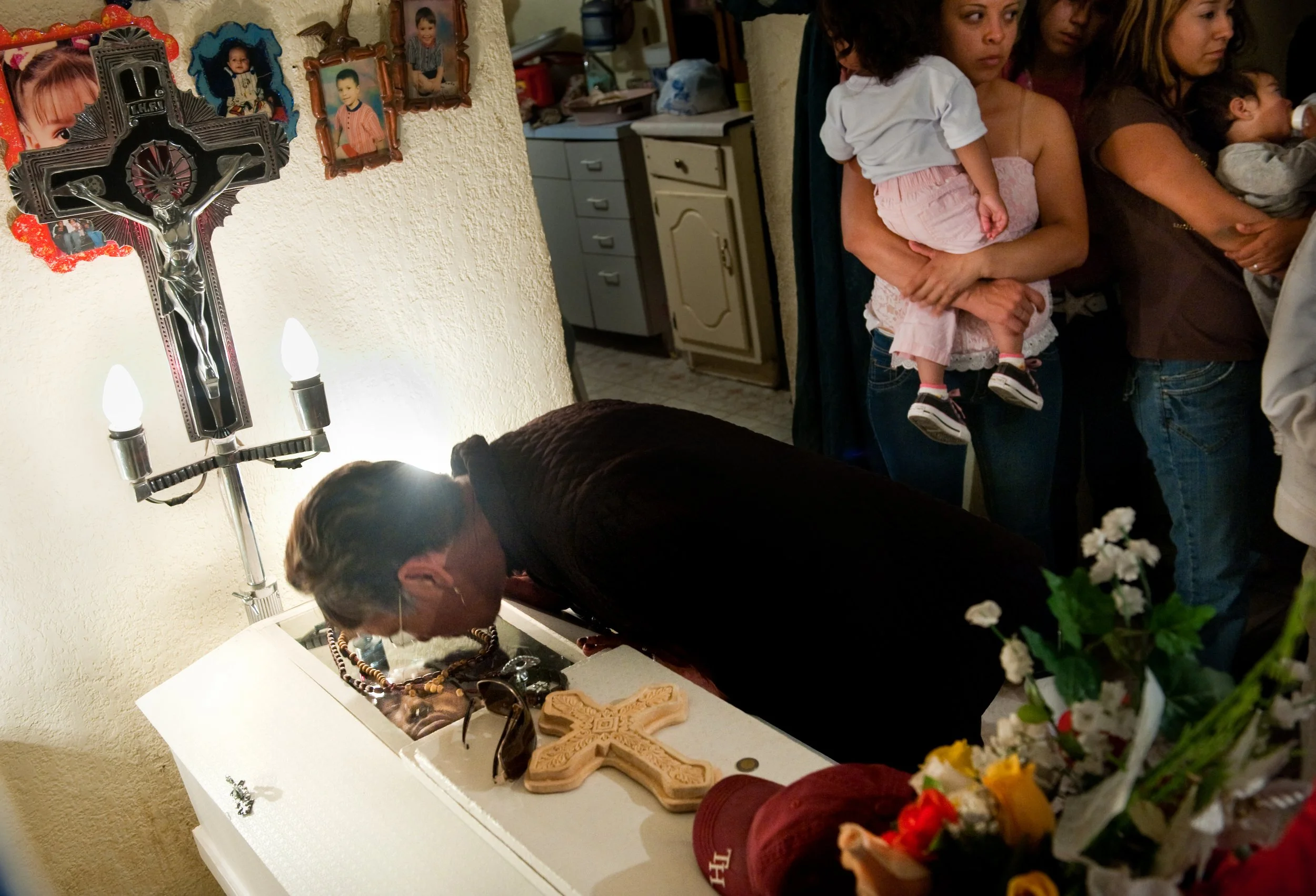
Rosa Palma kisses the glass-covered coffin of her friend Eduardo Gonzalez Ramirez, 40, at his family’s home in Ciudad Juárez. The family says Ramirez was abducted and killed by men wearing military uniforms, though such uniforms are often used by cartel members. He left behind several children.
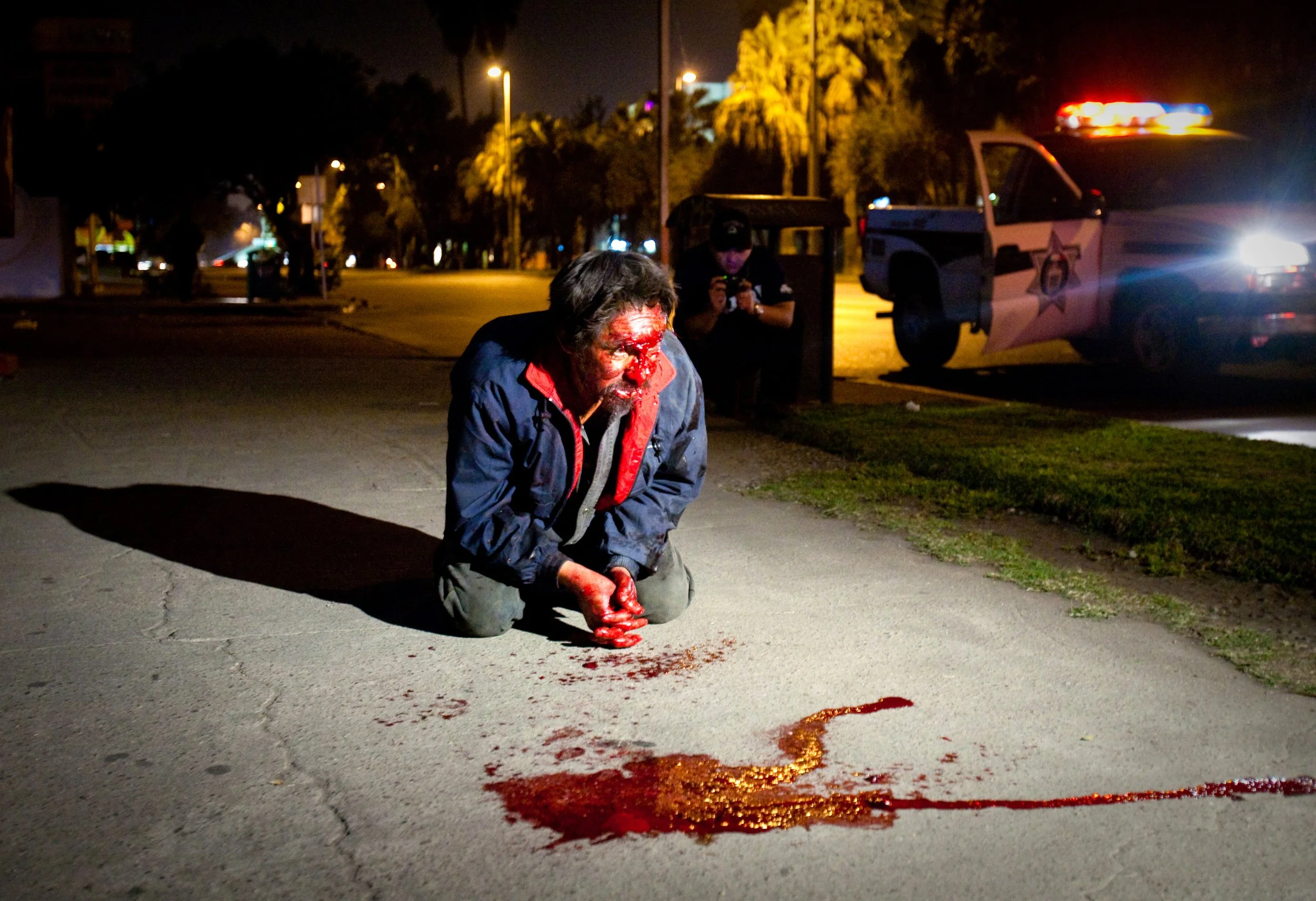
Daily exposure to violence in the media and on the streets has desensitized many Mexicans. Distrust of corrupt or ineffective police has led some residents to vigilantism. Gregorio Toyar Lopez, 52, was caught stealing. Rather than call police, the owner smashed his face into the sidewalk and left.