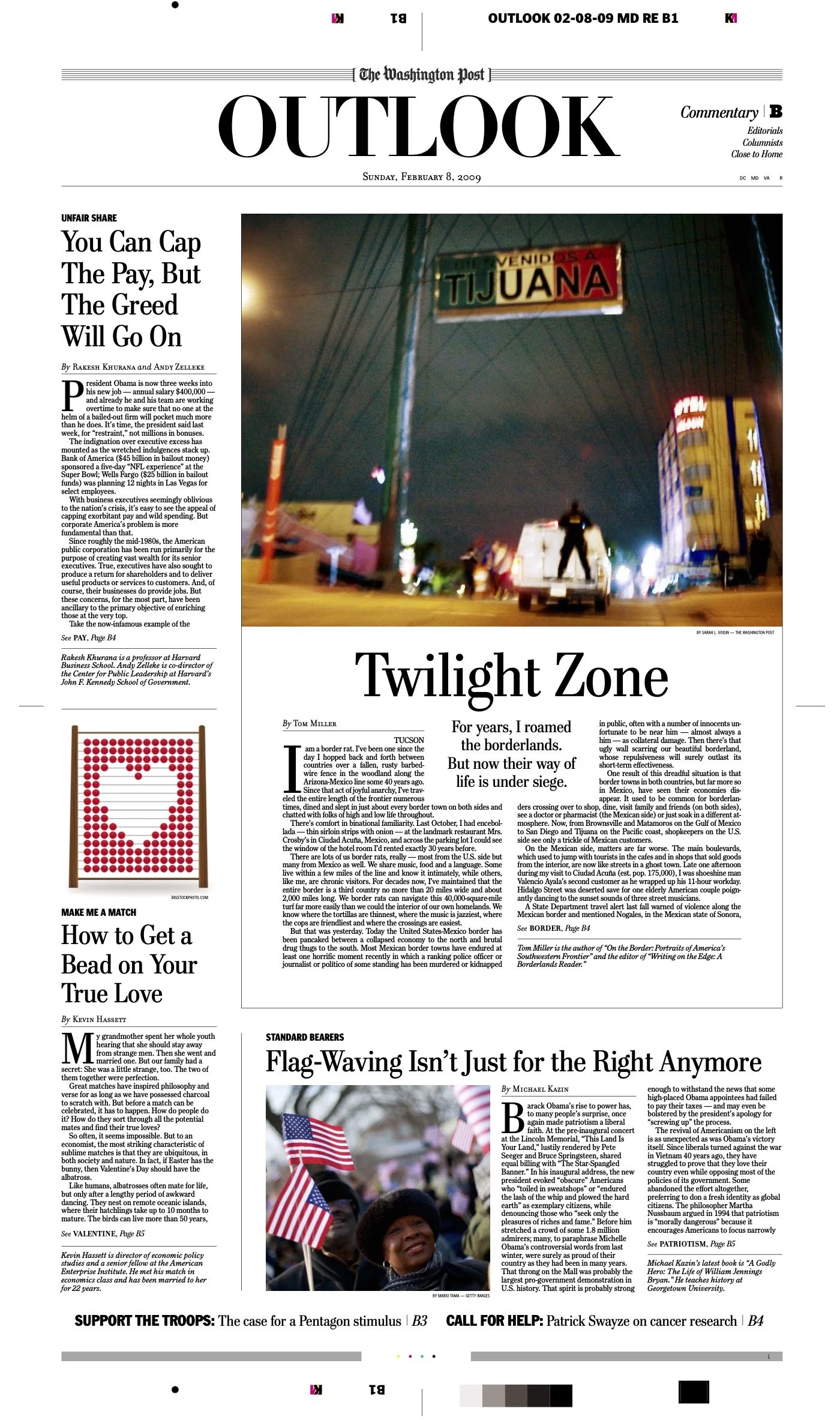
Project One for CatchLight,
In Mexico’s War on Drugs, Battle Lines are Drawn in Chalk
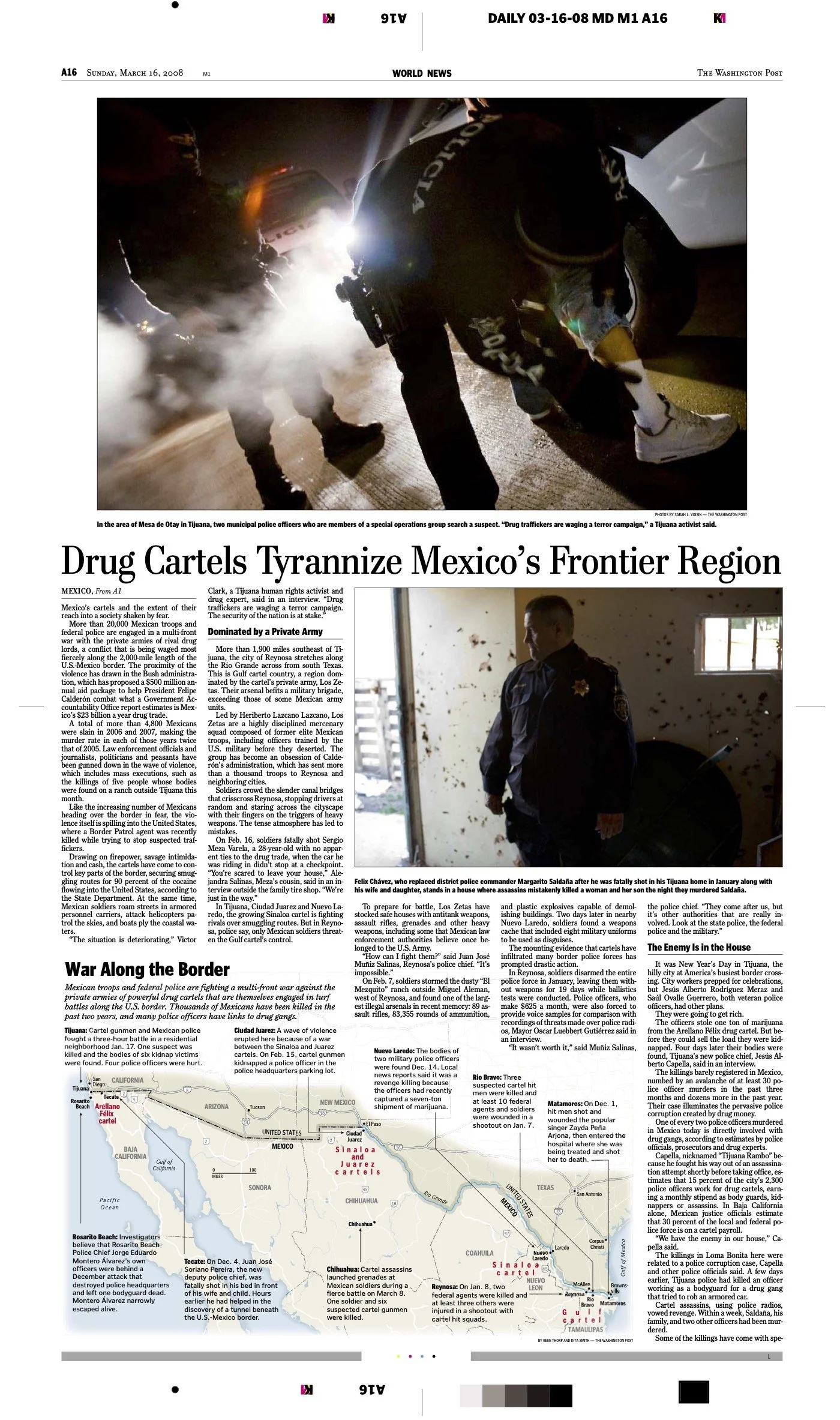
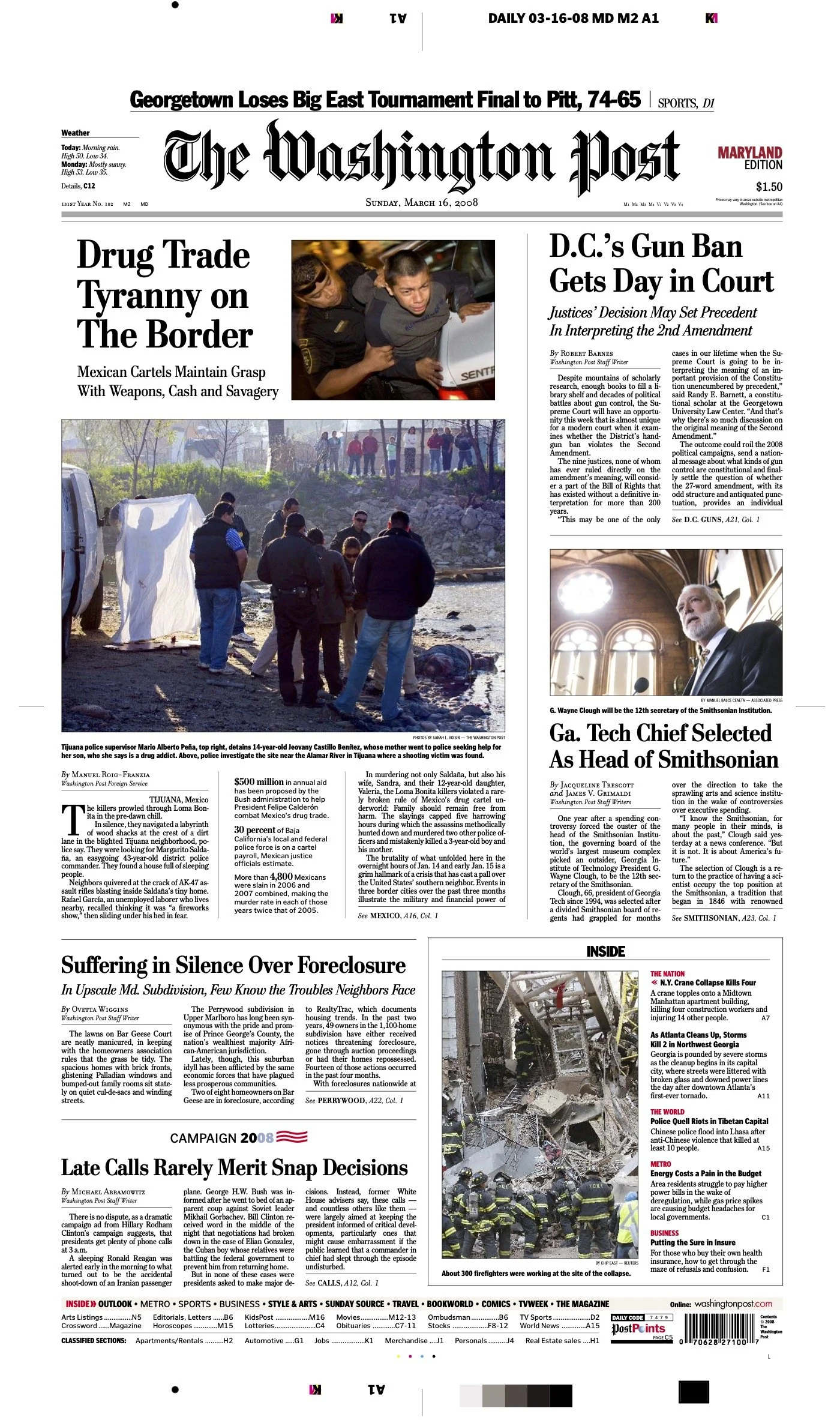
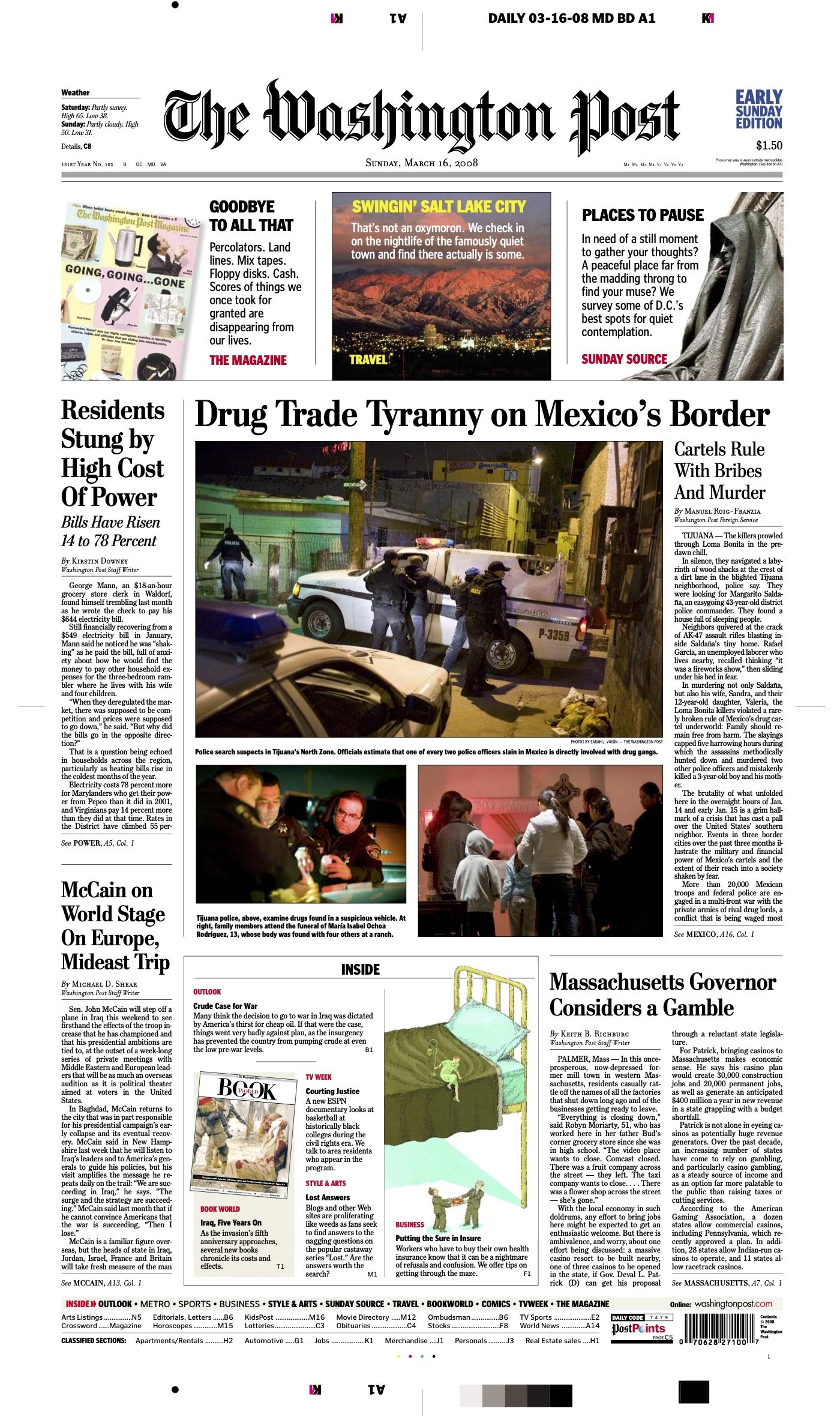
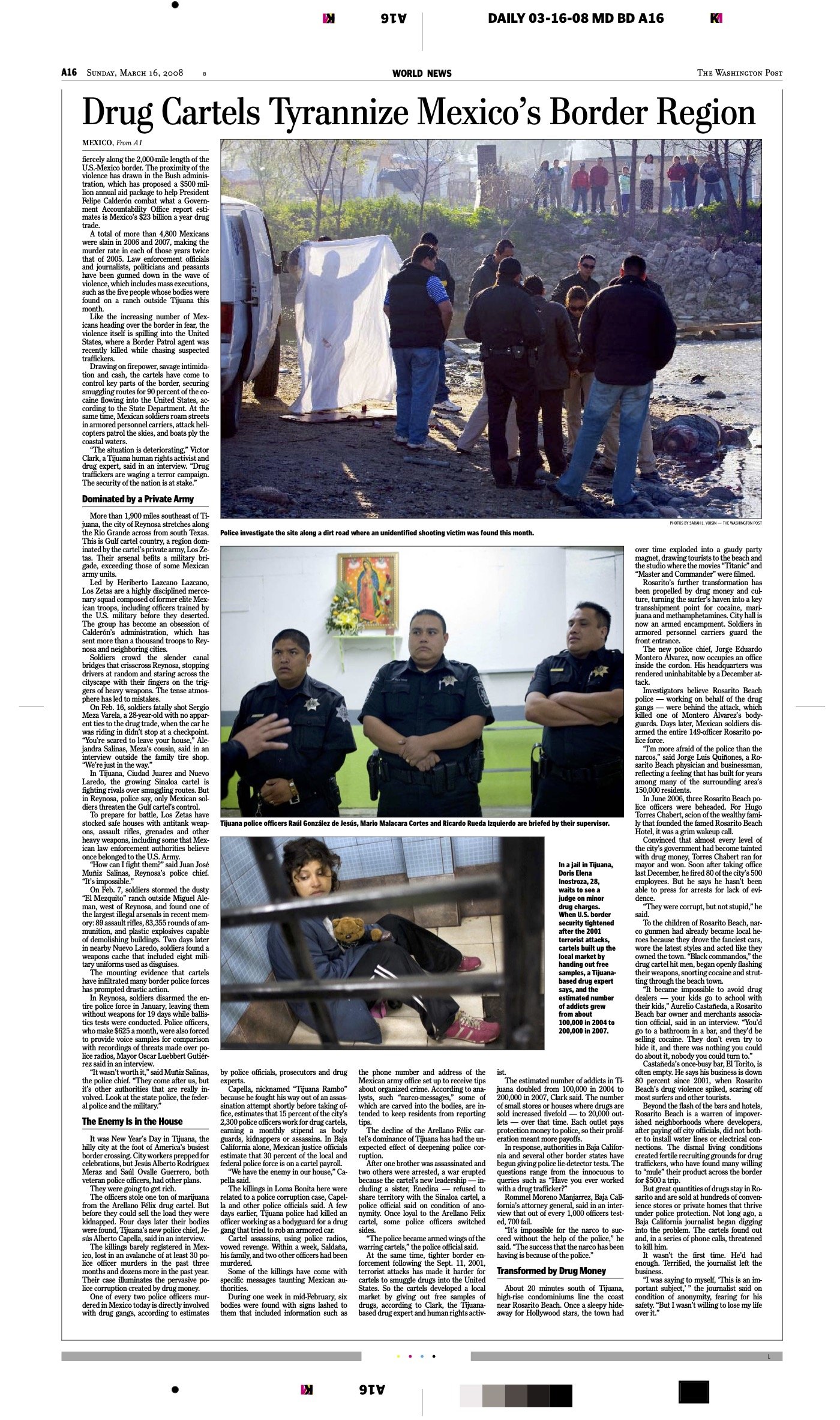
Since Mexico launched its war on drug cartels in late 2006, the human toll has been immense. Between 2007 and 2010, an estimated 29,000–35,000 people were killed in cartel and organized crime related violence, including civilians, journalists, police, and soldiers. Executions, disappearances, and public displays of brutality became routine, particularly along the U.S.–Mexico border, where cartels fought for control of trafficking routes supplying U.S. drug demand. More than a decade later, the violence has not ended—it has evolved. Cartels now profit from human trafficking, extortion, and territorial control, while mass graves, disappearances, and violent attacks continue, underscoring that the drug war is not a closed chapter but an ongoing crisis demanding sustained accountability reporting.
BACKSTORY: I began this project while working as a staff photojournalist at The Washington Post, documenting the surge in cartel-related violence in Mexico between 2007 and 2010. I pitched the work as the violence escalated and continued reporting on it over several years as the story evolved. Although I collaborated with reporters on related stories by sharing context and ideas, we generally worked independently in the field due to the continuously evolving and unpredictable nature of events taking place throughout the country.
To report this story, I built my own network of trusted contacts in Mexico, particularly along the U.S.–Mexico border where the violence was most acute. This included journalists, funeral home workers, and police sources who would alert me when extraordinary events were unfolding—such as mass killings, targeted assassinations, or multiple funerals tied to cartel violence. Closely following local and regional news allowed me to anticipate where the story was moving and to respond quickly when conditions changed.
Safety was a constant and serious concern. Although I had completed hostile-environment and first-aid training, the level of corruption and unpredictability made it difficult to know whom to trust. In retrospect, this project exposed gaps in newspaper safety practices at the time. As a photo editor today, I would insist on detailed safety planning, real-time location awareness, and clear contingency protocols. During this project, those measures were not required, and I was placed at significant risk—most notably during a funeral for two brothers who were footsoldiers for the cartel and were murdered. Despite having family permission, I was threatened and chased by hostile cartel members, narrowly escaping when a sympathetic hearse driver helped me escape.
As the project developed, I began to refine its thematic focus. While I photographed many facets of the conflict—violence, policing, immigration, poverty, religion, and drug use—I realized the emotional core was missing. I worked deliberately to shift my visual approach toward the human cost of the war, focusing on grief, fear, and loss, and on families living in the aftermath of violence. This required strong news judgment, emotional sensitivity, and the ability to organize and sustain a long-term visual narrative under intense pressure. The project reflects my approach to journalism: building trust, working independently but collaboratively, prioritizing safety and ethics, and shaping complex reporting into a coherent, human-centered story.
The work garnered several top-level awards, including a Robert F. Kennedy Award for International Photography honoring photojournalism that documents international human rights issues and social injustice with courage and empathy.
As I documented the escalation of cartel violence in Mexico, the government expanded federal policing and military deployments under President Felipe Calderón, followed by legal reforms aimed at organized crime and the safety of journalists. After this work was recognized with the John Farber Award, the Overseas Press Club of America formally contacted the Mexican government, urging stronger protections for reporters. Their advocacy helped advance legislation intended to safeguard Mexican journalists. While this work became part of the public record informing policy responses, violence did not meaningfully decline, and cartels—and the risks faced by journalists—remain a central reality in Mexico today.
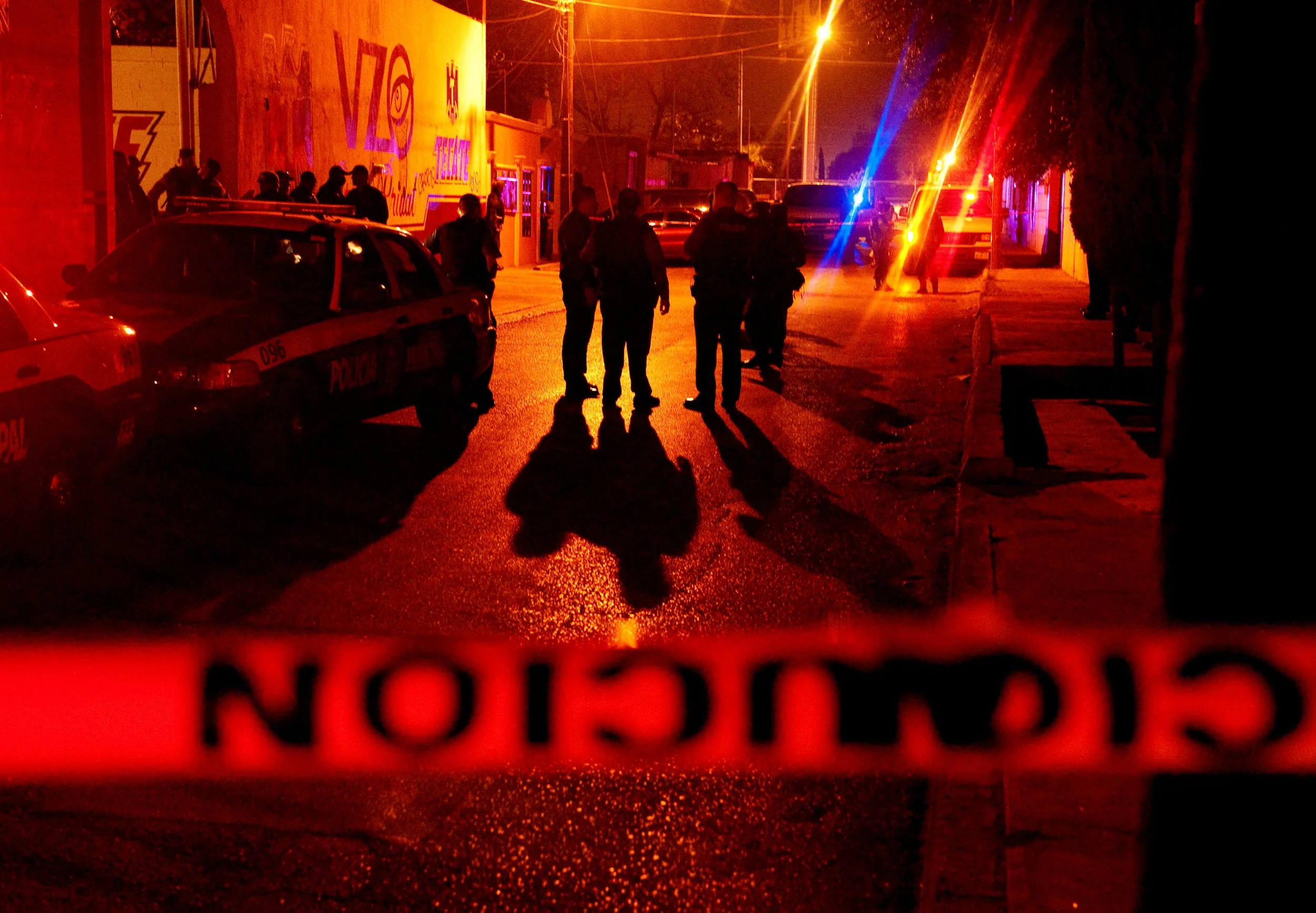
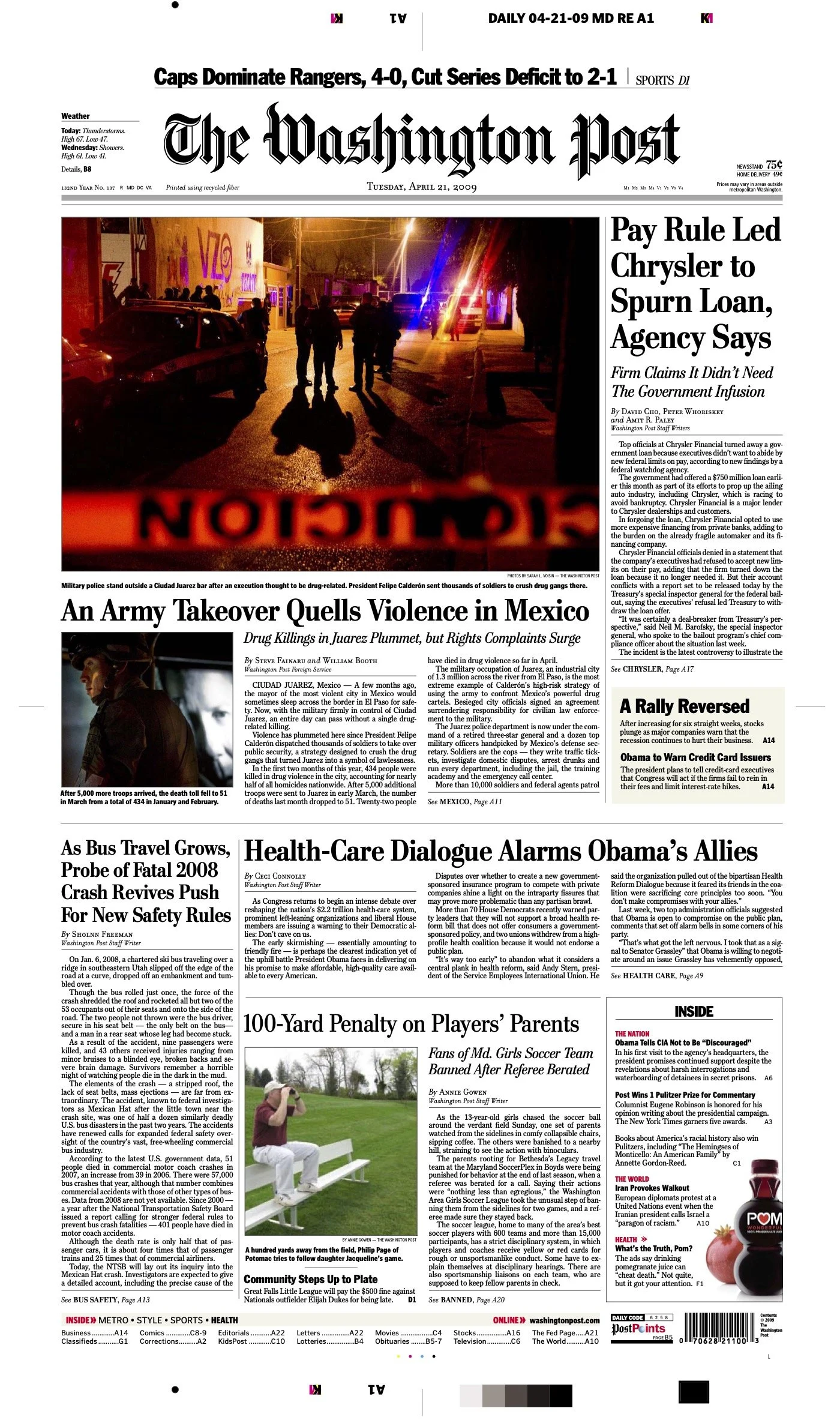
As part of a campaign against drug-related violence, the Mexican military assumed control of Ciudad Juárez in 2009. Army troops and police stand outside a popular bar shortly after the owner was executed.
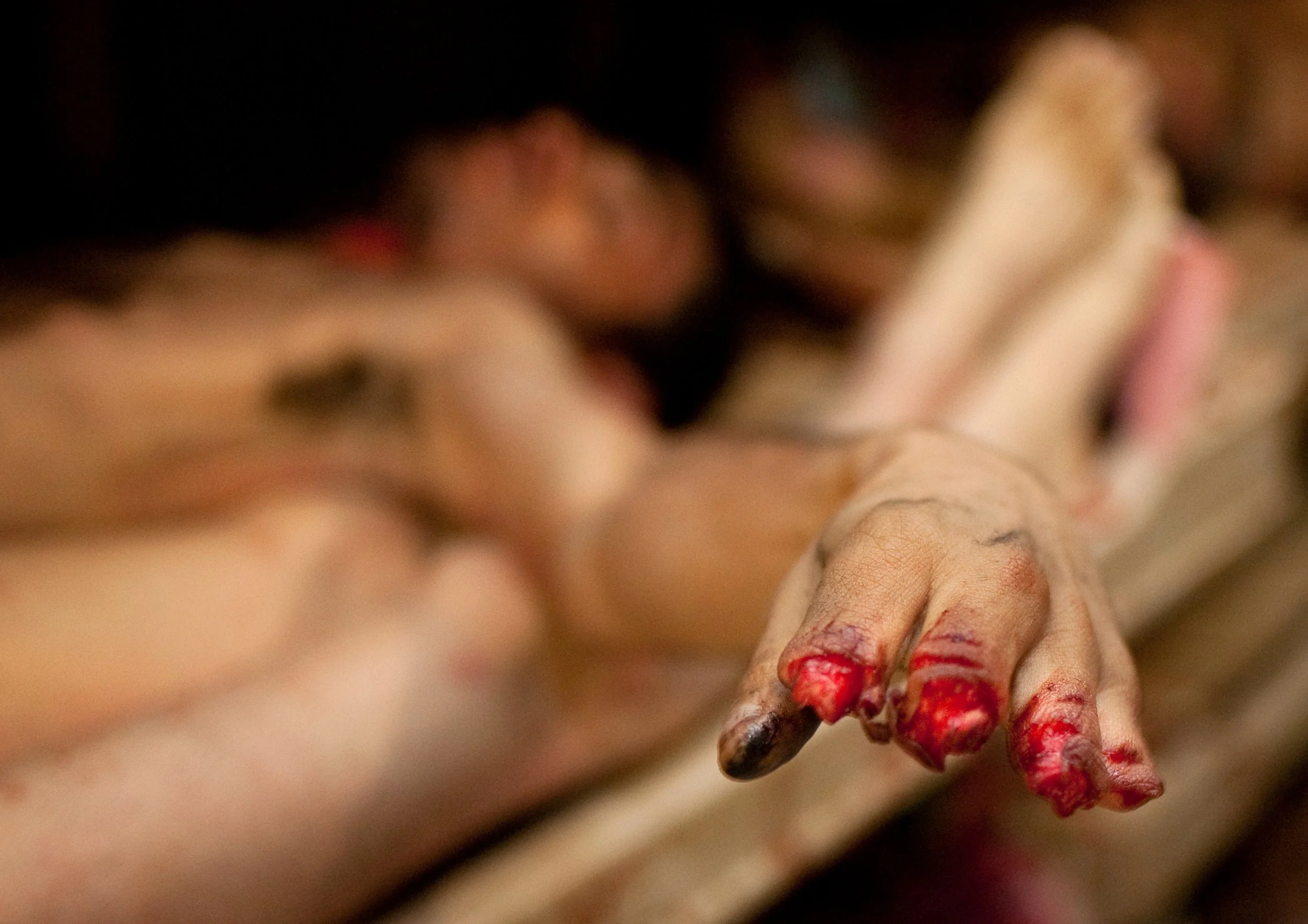
Targeted assassinations, mutilations, and other acts of terror are a daily reality in parts of Mexico. In Tijuana, the body of an executed man was left naked with an intimidation letter attached. Such killings and messages are intended to instill fear in rivals, authorities, and the public.
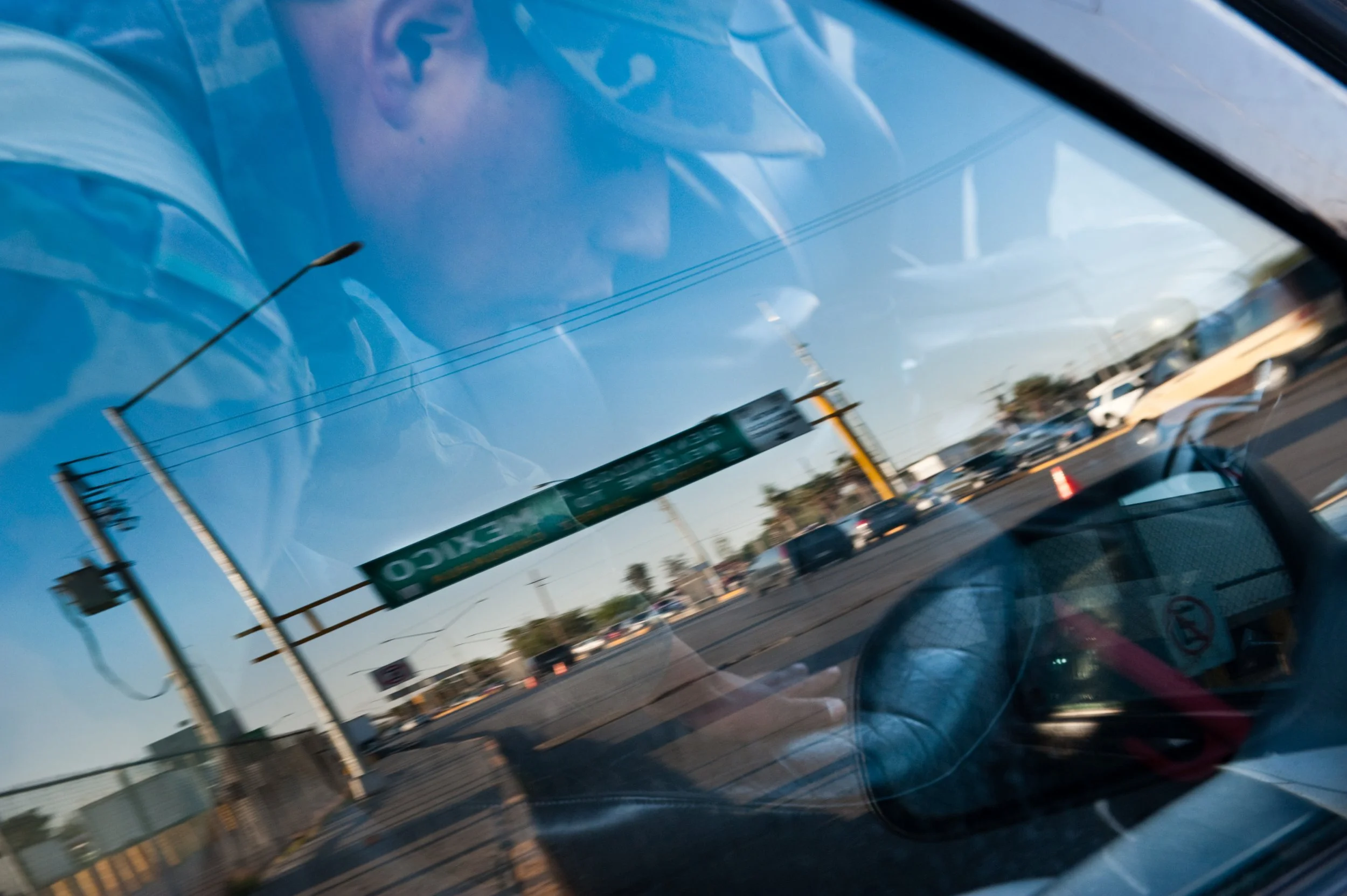
At the Córdova Bridge, Mexican military personnel inspect cars crossing from the United States, searching for illegal weapons and drugs. U.S. firearms have fueled much of the violence that has killed tens of thousands in Mexico since 2007. The militarization of Ciudad Juárez was part of a broader strategy to confront cartel power amid escalating bloodshed.
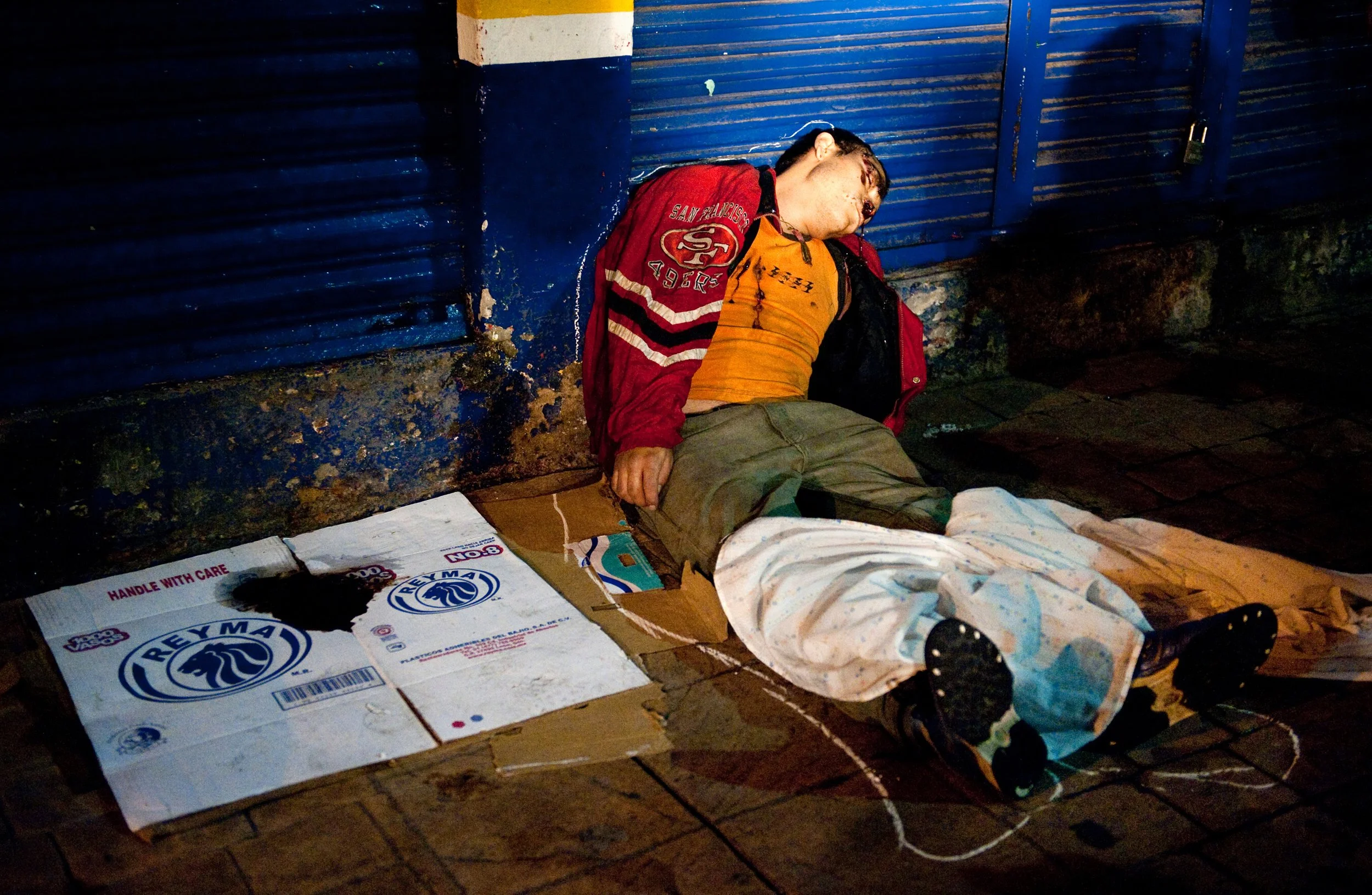
In Mexico City, night brings another body, another chalk line—evidence of a war on drugs that grinds on.
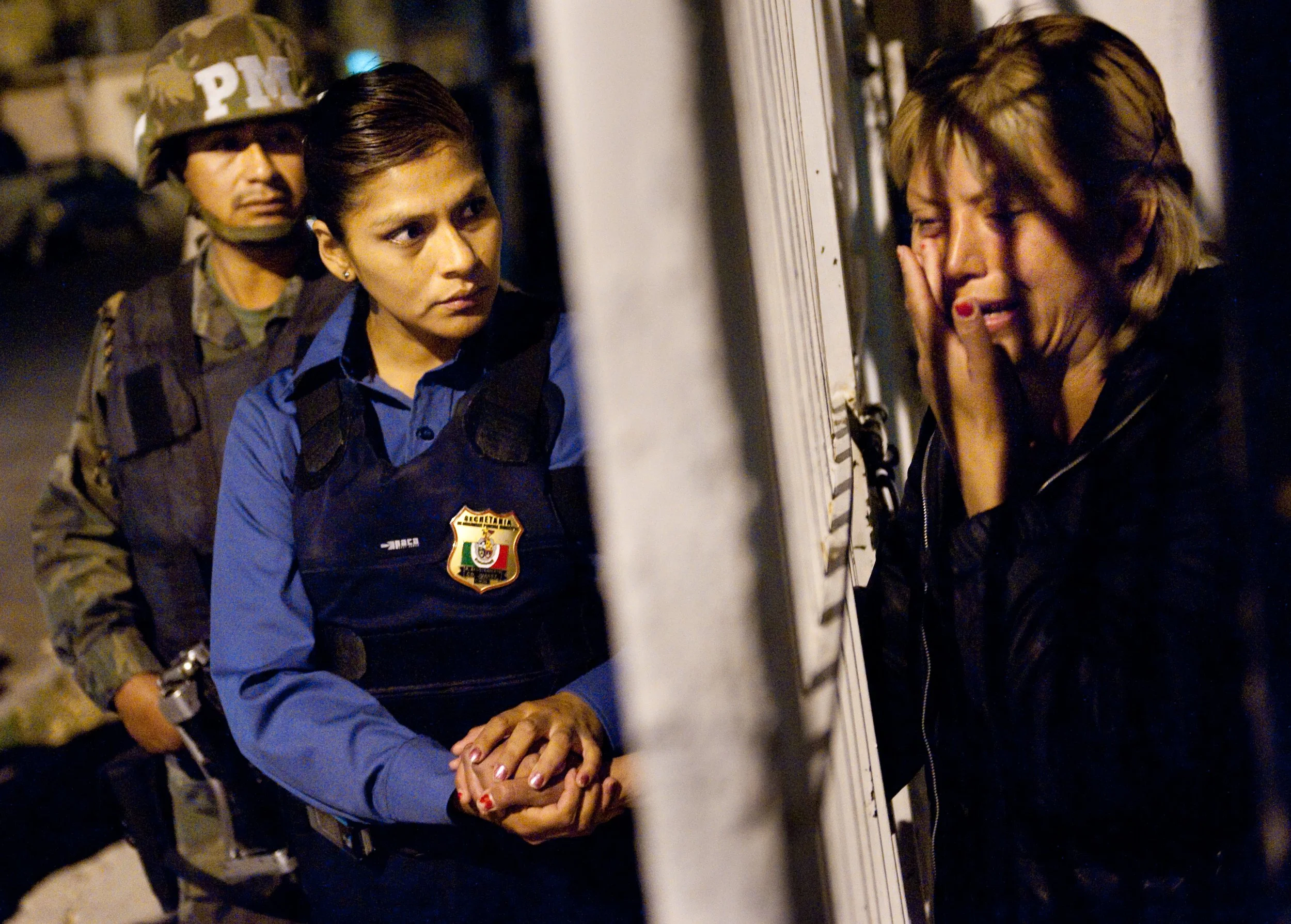
Municipal police officer Noeme Martinez, center, comforts Maria Campos outside her home. Campos had flagged down officers during their patrol to report her husband missing; they showed her a newspaper photo of an execution that matched his description.
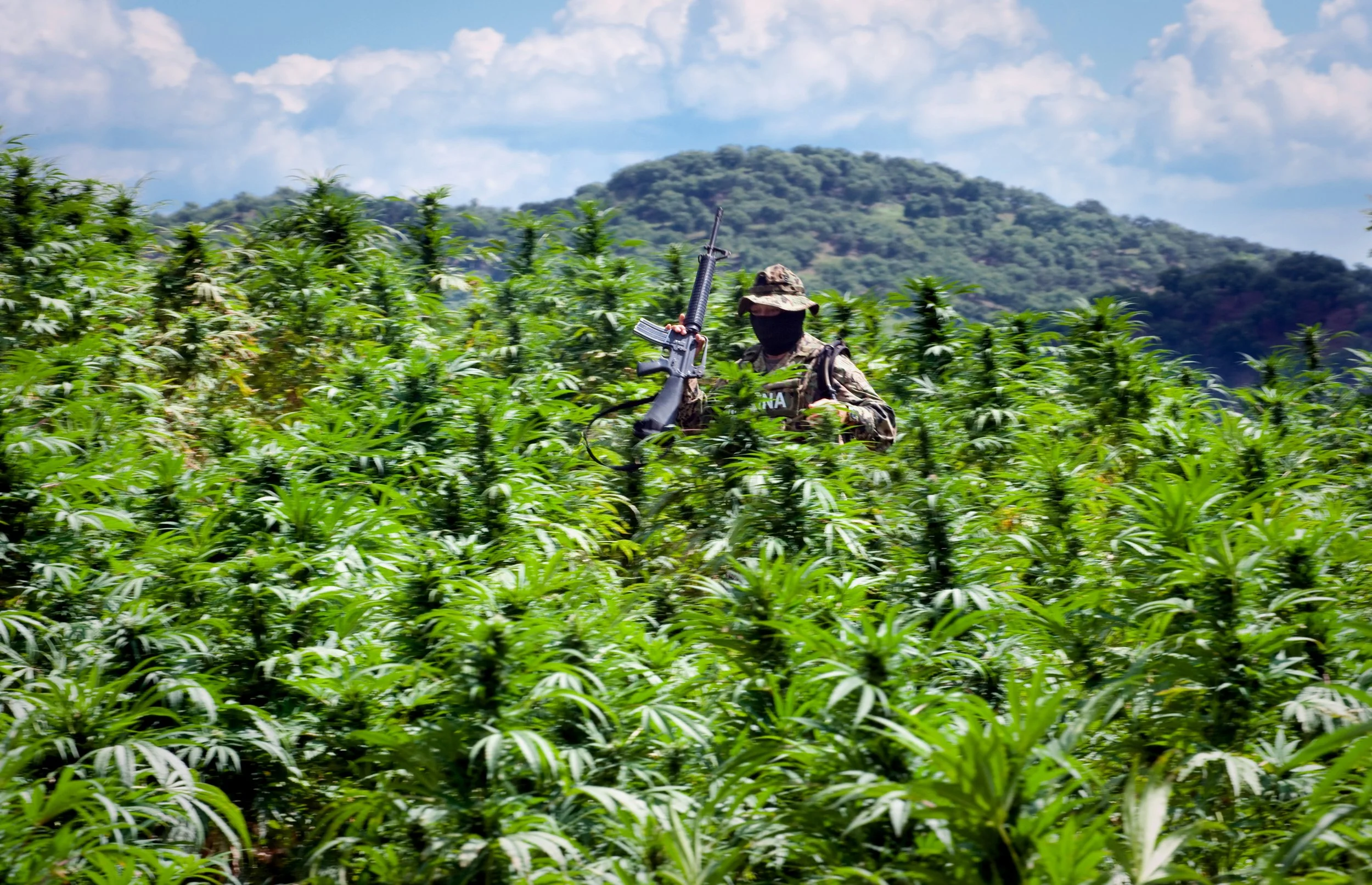
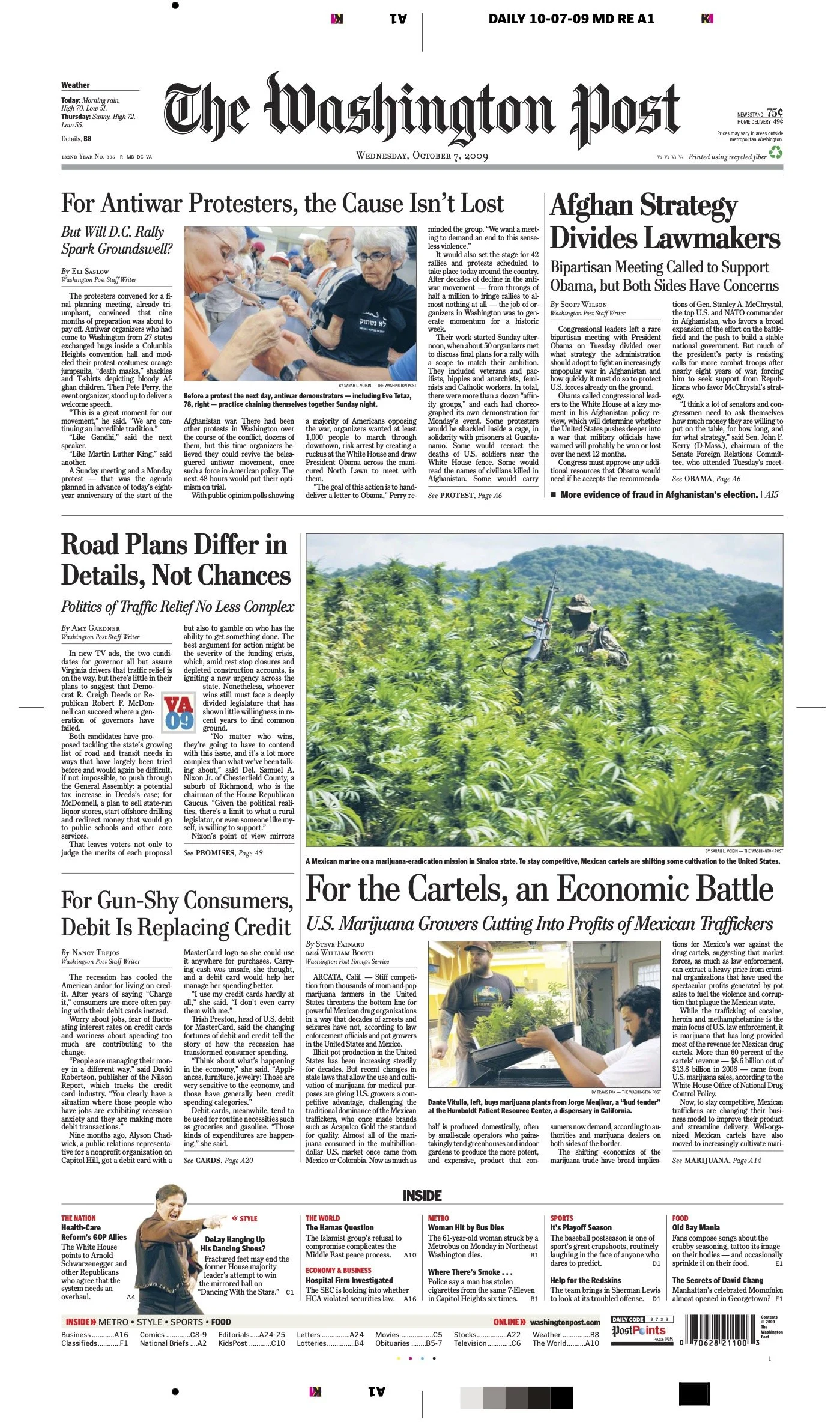
A Mexican marine moves through a marijuana field in the mountains of Sinaloa, where marijuana cultivation has long been a major source of cartel revenue.
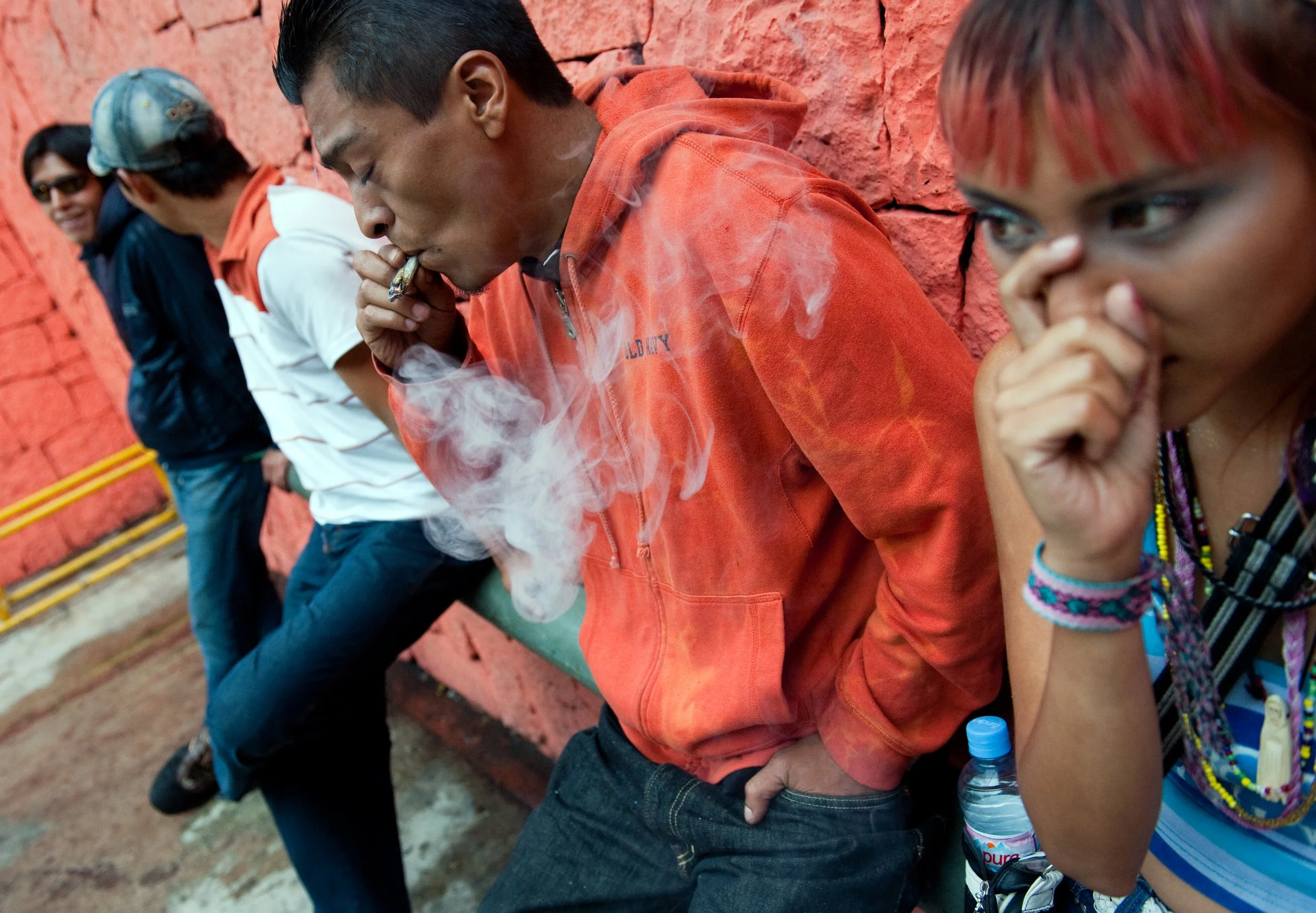
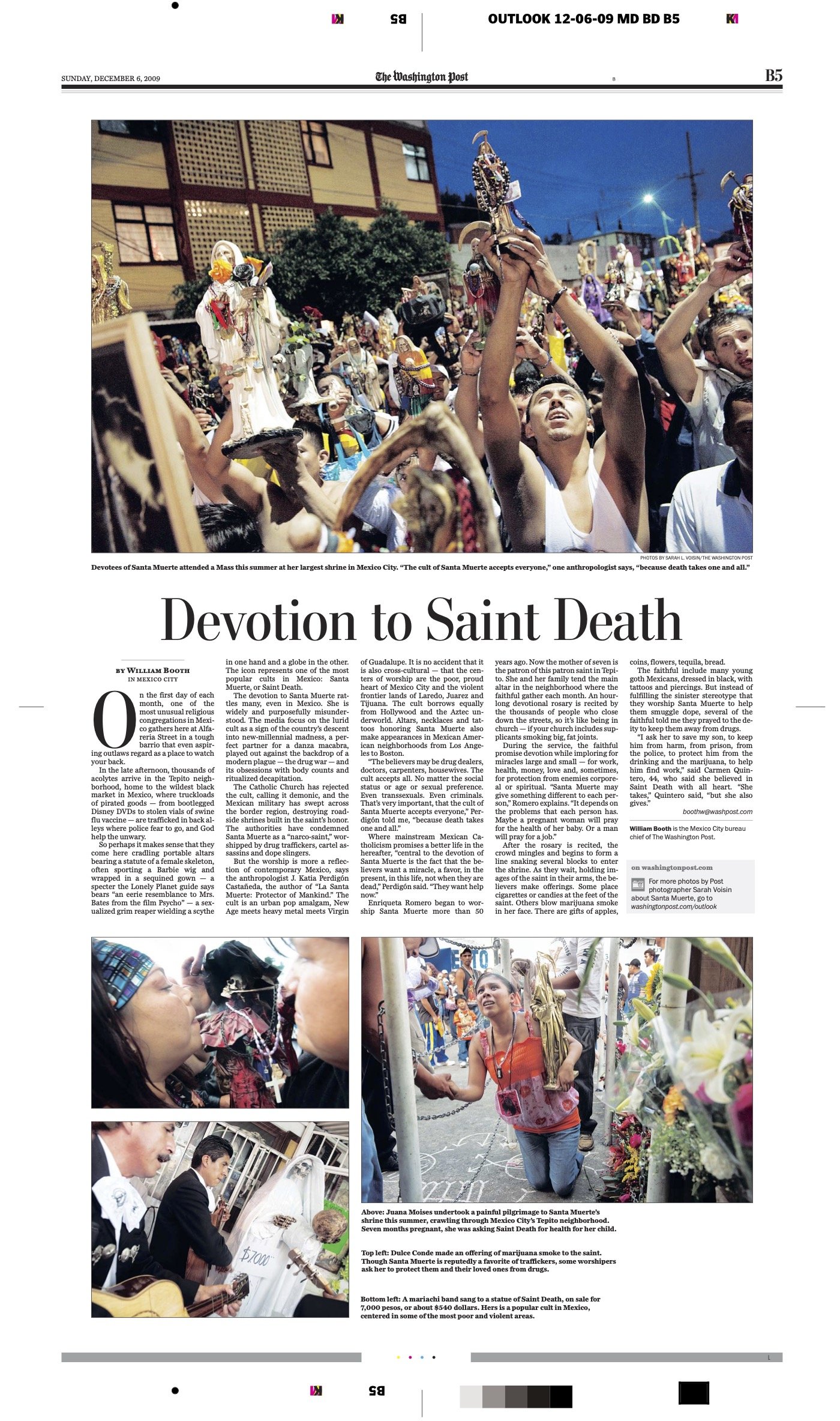
After Mexico decriminalized possession of small amounts of drugs in 2009, drug use remains visible in Tepito, a neighborhood in Mexico City long linked to the drug trade.
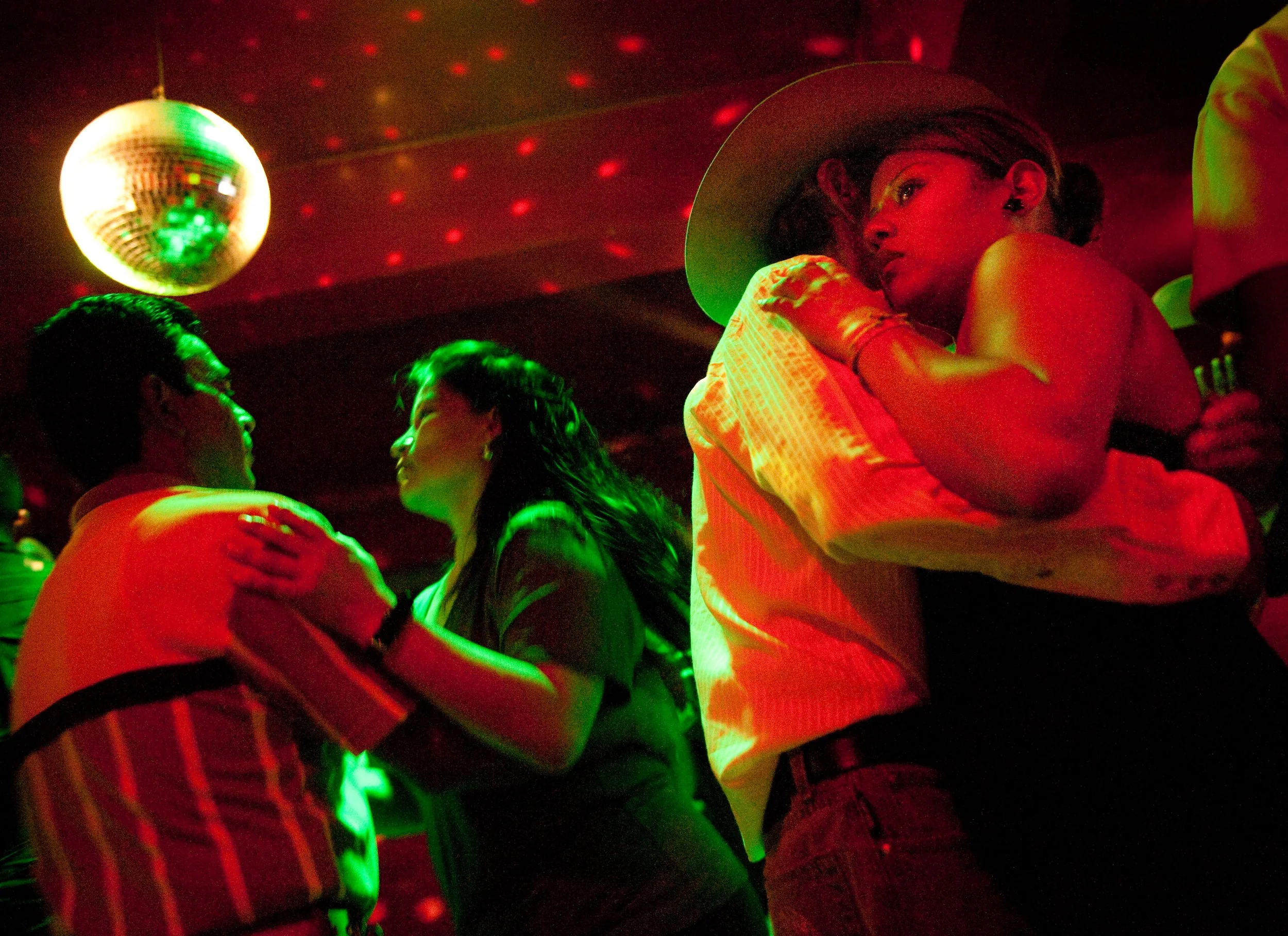
In downtown Ciudad Juárez, off-duty federal police officers and other patrons pay to dance with women at Vaquero, a bar whose name translates to “cowboy.” A dance costs 10 pesos—less than a dollar—and, for more, patrons can go to a nearby hotel. Many of the women are economically vulnerable and struggling with drug addiction, conditions that criminal organizations exploit as part of the broader drug economy.
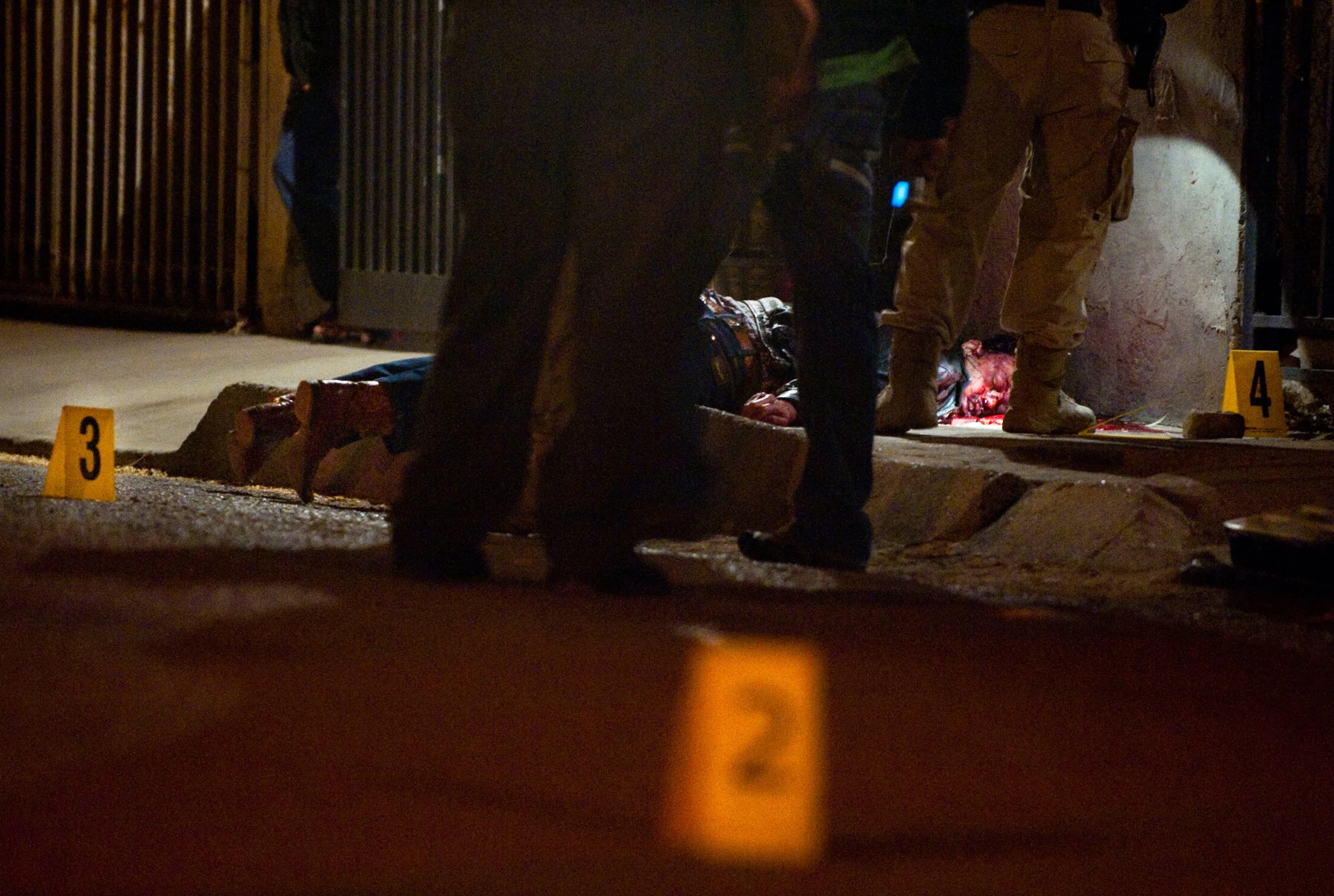
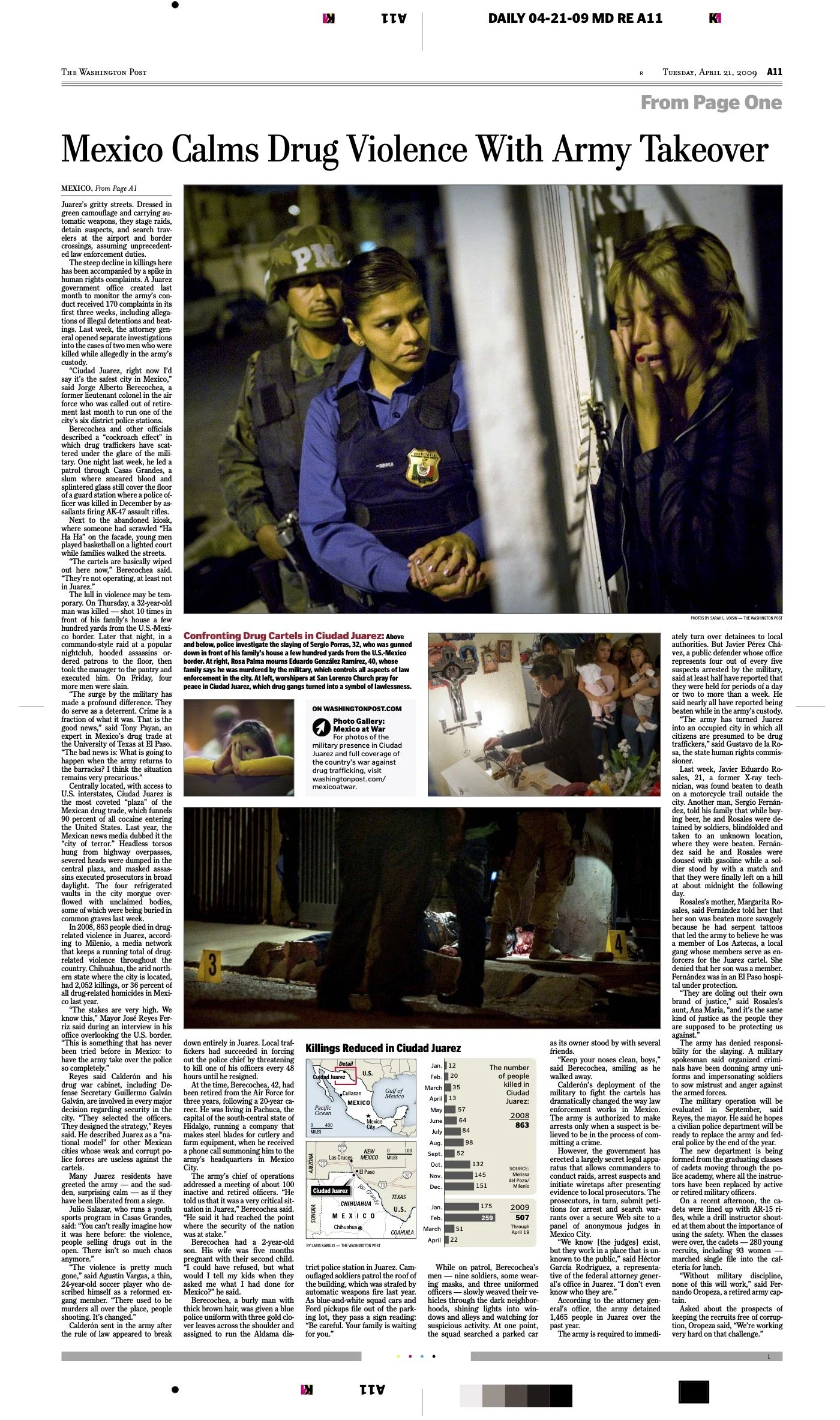
Police investigate another homicide in Ciudad Juárez. Sergio Porras, 32, was shot six times two doors from his home.
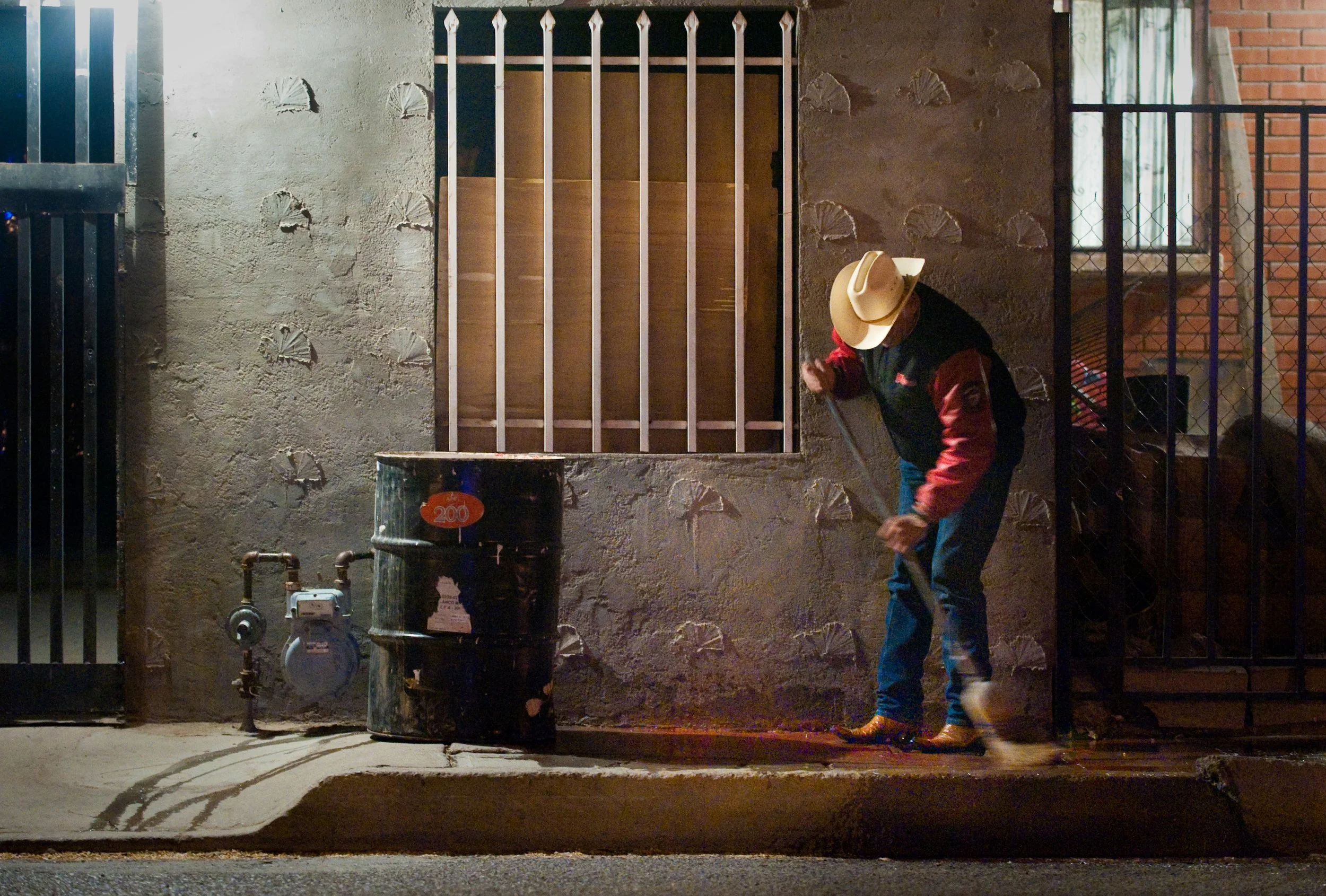
Seconds after morgue workers lifted Porras’s body from the sidewalk, his uncle uses a broom and soapy water to clean the blood stains from the sidewalk.
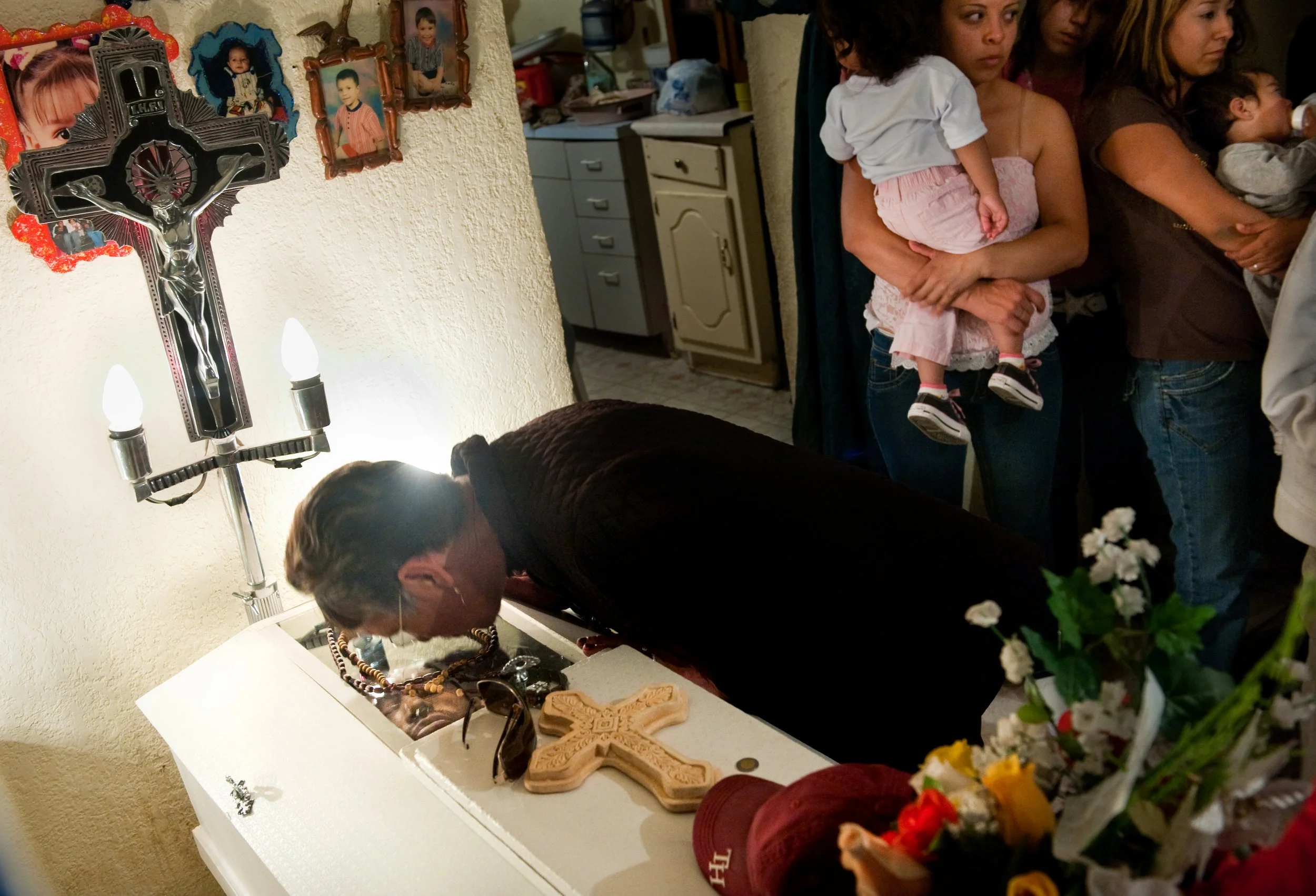
Rosa Palma kisses the glass-covered coffin of her friend Eduardo Gonzalez Ramirez, 40, at his family’s home in Ciudad Juárez. The family says Ramirez was abducted and killed by men wearing military uniforms, though such uniforms are often used by cartel members. He left behind several children.
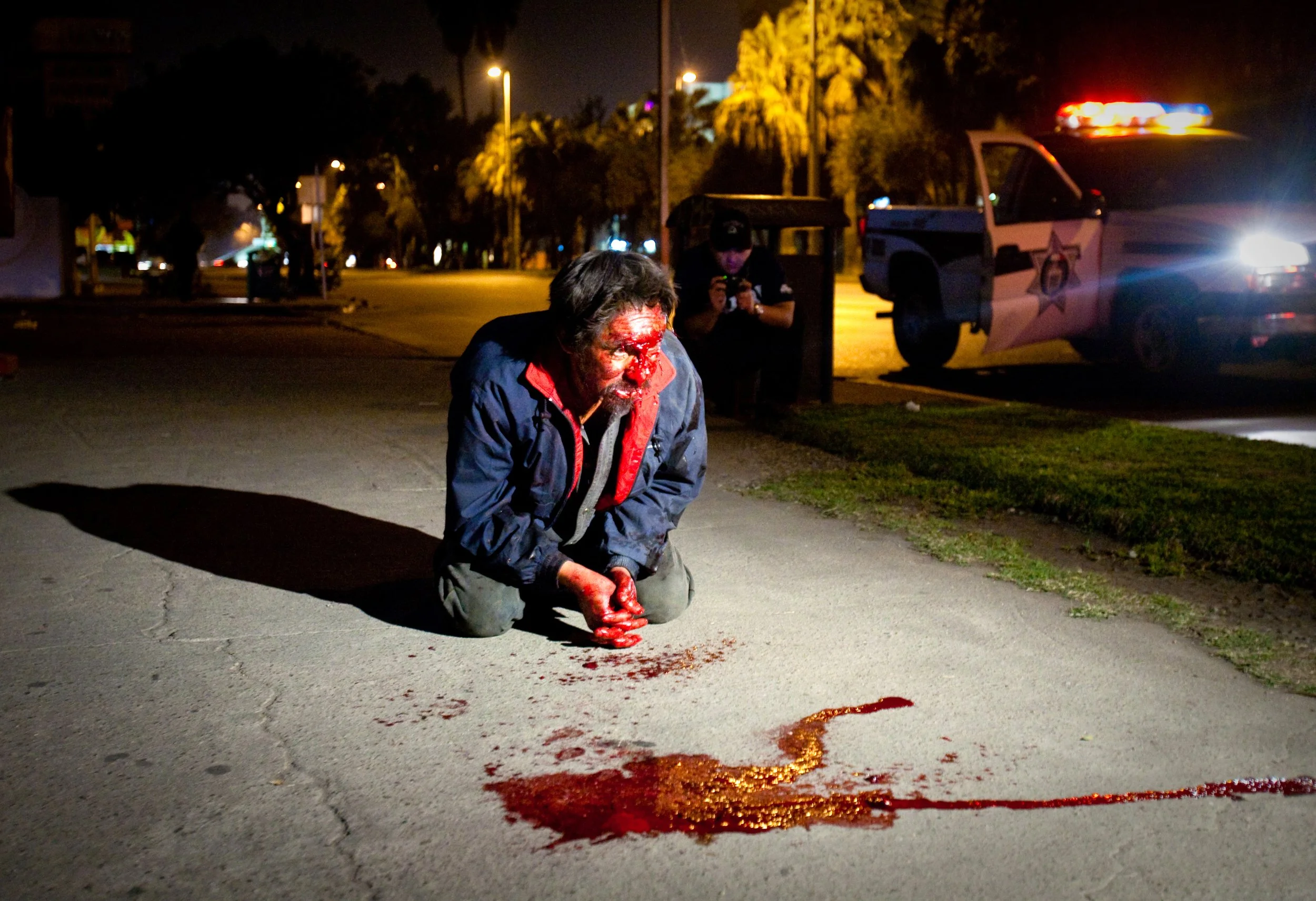
Daily exposure to violence in the media and on the streets has desensitized many Mexicans. Distrust of corrupt or ineffective police has led some residents to vigilantism. Gregorio Toyar Lopez, 52, was caught stealing. Rather than call police, the owner smashed his face into the sidewalk and left.